




Chlamydia is one of the most common sexually transmitted infections (STIs) affecting millions of people worldwide. During pregnancy, the stakes are even higher, as untreated chlamydia can lead to serious complications for both the mother and the baby. This article aims to provide essential information on chlamydia testing during pregnancy, outlining its importance, recommended timing, testing procedures, and how to interpret the results. Empowering expectant mothers with knowledge about their sexual health can lead to healthier pregnancies and better outcomes for their children.
Understanding the Importance of Chlamydia Testing in Pregnancy
Chlamydia is often asymptomatic, meaning many individuals may not even know they are infected. This is particularly concerning during pregnancy, as untreated chlamydia can cause various complications, including preterm labor, low birth weight, and even transmission to the baby during delivery. The infection can lead to conjunctivitis or pneumonia in newborns, making early detection and treatment vital for both mother and child.
Chlamydia testing is crucial for expectant mothers as it allows healthcare providers to identify and treat the infection before it causes serious health issues. Pregnant individuals can experience hormonal changes that may increase their susceptibility to infections, making routine screening even more necessary. Moreover, since chlamydia can be easily treated with antibiotics, early detection can significantly reduce the risk of complications.
Additionally, chlamydia screening is not just about protecting the mother; it’s also about safeguarding the health of the child. By addressing any infections early, mothers can create a healthier environment for fetal development and minimize any risks associated with childbirth. Knowing one’s status during pregnancy is a vital step toward responsible parenthood and ensuring the best possible start for the baby.
Recommended Timing for Chlamydia Testing During Pregnancy
The Centers for Disease Control and Prevention (CDC) recommends that all pregnant individuals be screened for chlamydia at their first prenatal visit, regardless of risk factors. This early screening serves as a baseline to assess the mother’s health and can help inform treatment options if necessary. If a woman is at increased risk—due to factors such as having multiple sexual partners or a history of STIs—she may also be advised to undergo repeat testing during the third trimester.
Timing is crucial when it comes to chlamydia testing. The earlier an infection is detected, the sooner it can be treated, reducing the risk of complications. In cases where a pregnant woman has a known exposure to chlamydia or exhibits symptoms, immediate testing may be warranted, even outside the recommended screening timelines.
Ultimately, open communication with healthcare providers about sexual health can guide testing decisions and ensure optimal care throughout the pregnancy. Expectant mothers should feel empowered to discuss their concerns and inquire about testing, fostering a proactive approach to both their health and that of their babies.
How Chlamydia Testing is Conducted and What to Expect
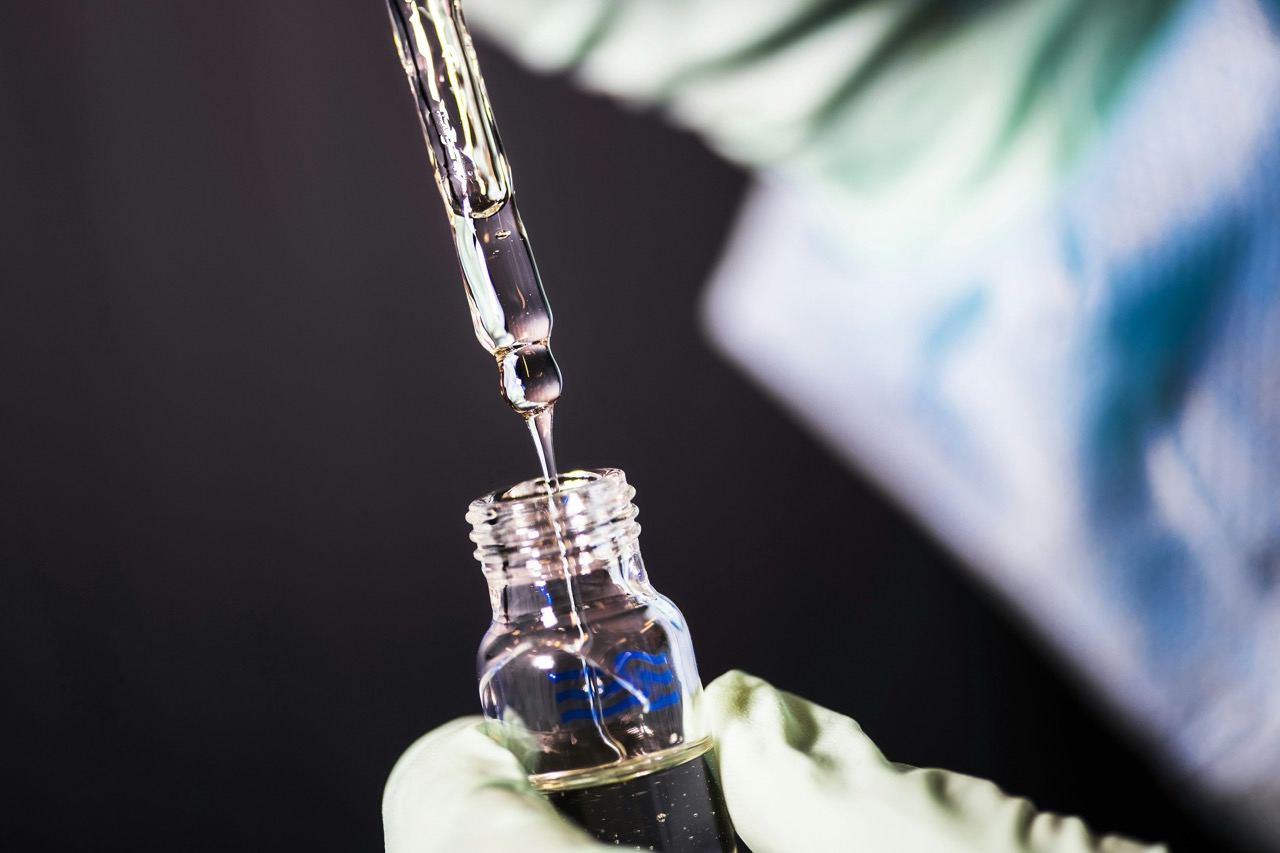
Chlamydia testing is a straightforward process, often involving either a urine sample or a swab from the vaginal or cervical area. During a prenatal appointment, the healthcare provider will explain the procedure, ensuring that the patient feels comfortable and informed. It’s important to approach the process with openness, as healthcare professionals are trained to handle such tests sensitively and confidentially.
The test itself typically takes just a few minutes. For urine tests, the individual will provide a sample in a clean container. If a swab is needed, the healthcare provider will gently collect a sample, which may involve a cervical swab during a pelvic exam. While some individuals may feel slight discomfort during the swab, it is generally quick and tolerable.
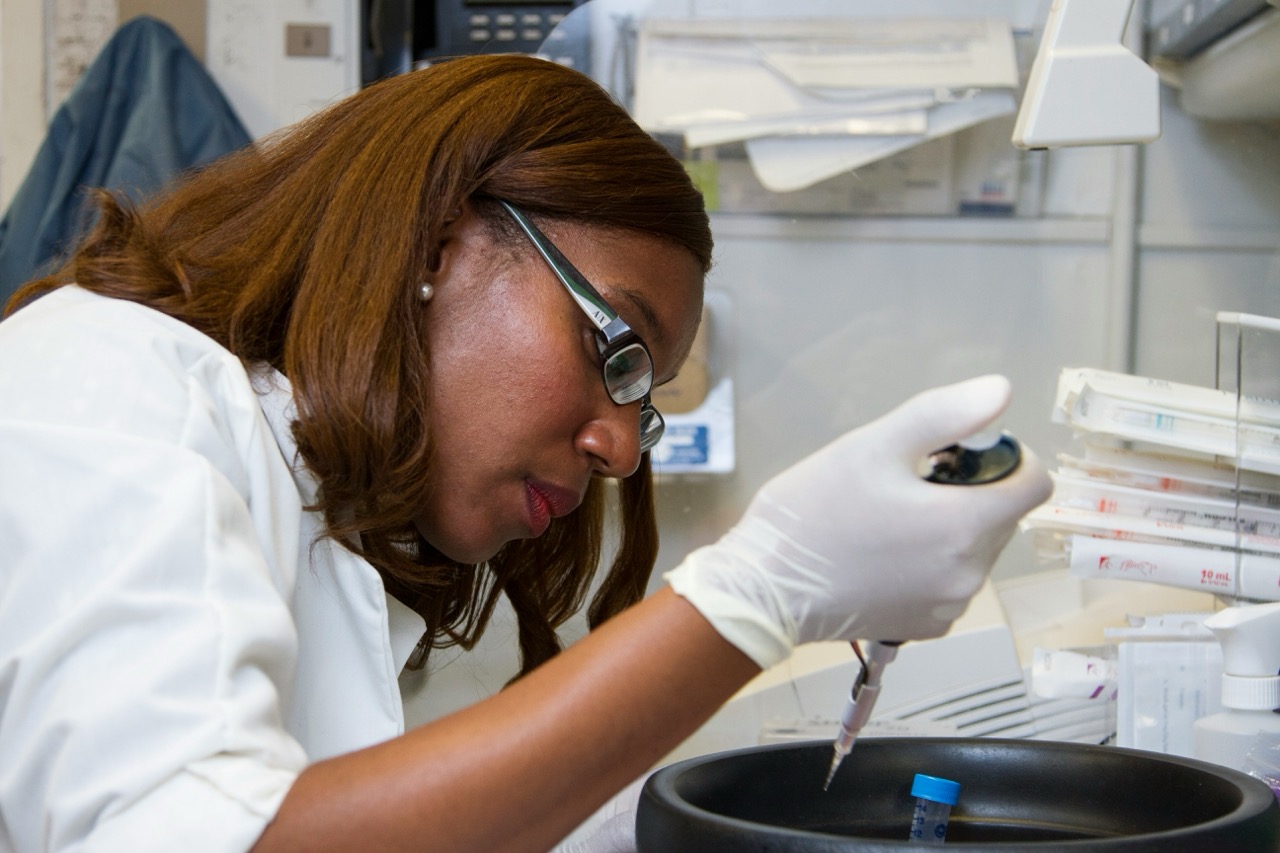
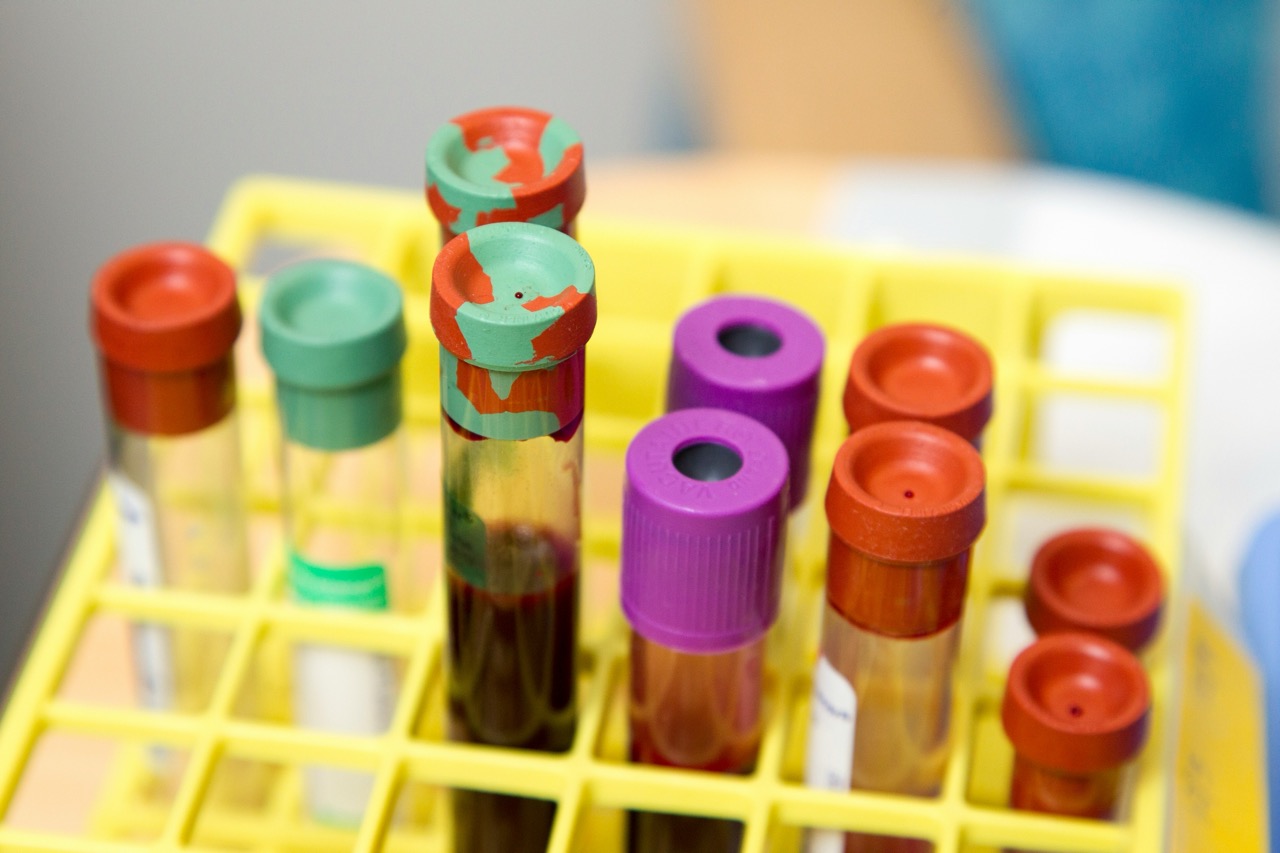
After the sample is collected, it will be sent to a laboratory for analysis. Results are usually available within a few days, depending on the testing facility. Expectant mothers should ensure they understand when and how they will receive their results, as well as what steps will be taken if the test is positive.
Interpreting Your Chlamydia Test Results and Next Steps
Once the results are available, it’s essential to understand what they mean. A positive result indicates that chlamydia is present, while a negative result shows that no infection has been detected. If the result is positive, don’t panic—many healthcare providers successfully treat chlamydia with antibiotics, often in a single dose or a short course of treatment.
After receiving a positive result, the healthcare provider will likely schedule a follow-up appointment to discuss treatment options and any necessary precautions. It is crucial to inform partners so they can also be tested and treated, as reinfection is possible. Open communication about sexual health can help foster a supportive environment during this time.
For those who receive a negative result, it’s still important to maintain regular screenings throughout pregnancy, particularly if risk factors are present. Continued awareness and vigilance can contribute to a healthier pregnancy and minimize the risk of STIs in the future. Remember, discussing any concerns with a healthcare provider helps empower individuals in their sexual health journey.
Chlamydia testing during pregnancy is a vital component of prenatal care that protects both mother and baby. Understanding the importance of testing, the optimal timing, the testing process, and interpreting the results can significantly impact health outcomes. By fostering open dialogue with healthcare providers and remaining informed, expectant mothers can take proactive steps to ensure a safe and healthy pregnancy. Empower yourself with knowledge and make informed choices for your sexual health and that of your child.