






Chlamydia is one of the most commonly reported sexually transmitted infections (STIs) in the United States, particularly among young adults and college students. With the rise of sexual activity in this demographic, understanding the risks, symptoms, and treatment options available is essential for maintaining sexual health. This article aims to provide comprehensive information on Chlamydia screening tailored specifically for college and university students, empowering them to take charge of their sexual wellbeing.
Understanding Chlamydia: Risks and Symptoms for Students
Chlamydia is caused by the bacterium Chlamydia trachomatis and is often asymptomatic, particularly in its early stages. This means that many individuals may not realize they are infected, increasing the risk of complications if left untreated. Symptoms, when they do occur, can include abnormal discharge, burning during urination, and, in women, pain during intercourse. Given that college students are at a higher risk due to factors like multiple sexual partners and inconsistent condom use, awareness of this infection is crucial.
The risks associated with untreated Chlamydia can be severe. In women, it can lead to pelvic inflammatory disease (PID), which may result in infertility or ectopic pregnancy. In men, it can cause epididymitis, leading to potential fertility issues as well. Furthermore, having Chlamydia can increase the likelihood of contracting or transmitting HIV. Understanding these risks is essential for students to make informed choices about their sexual health.
Being educated about Chlamydia can help demystify the infection and reduce stigma. Open conversations about sexual health and regular screenings can significantly contribute to early detection and treatment, thereby preventing complications. Students are encouraged to prioritize their sexual health by recognizing the importance of being informed about this common STI.
Importance of Regular Screening for College Students
Regular screening for Chlamydia is vital, especially for sexually active college students. The Centers for Disease Control and Prevention (CDC) recommends annual screenings for sexually active women under 25 and for men who have sex with men. Even if no symptoms are present, regular testing is crucial because many people are unaware they are infected. This proactive approach helps to curb the spread of infections and promotes a healthier campus environment.
Screening is not only about personal health but also about community health. An increase in awareness and testing can lead to a reduction in STI rates on campus. This communal effort fosters a more informed student body, encouraging safer sexual practices and reducing the stigma surrounding STIs. When students take responsibility for their health, they contribute to a culture of care and support.
Furthermore, regular screenings can provide peace of mind. Knowing your status allows for informed decision-making regarding sexual activity and relationships. College years are often a time of exploration, and understanding one’s sexual health can empower students to engage in safer practices, ultimately leading to healthier relationships and lifestyles.
How and Where to Get Tested for Chlamydia
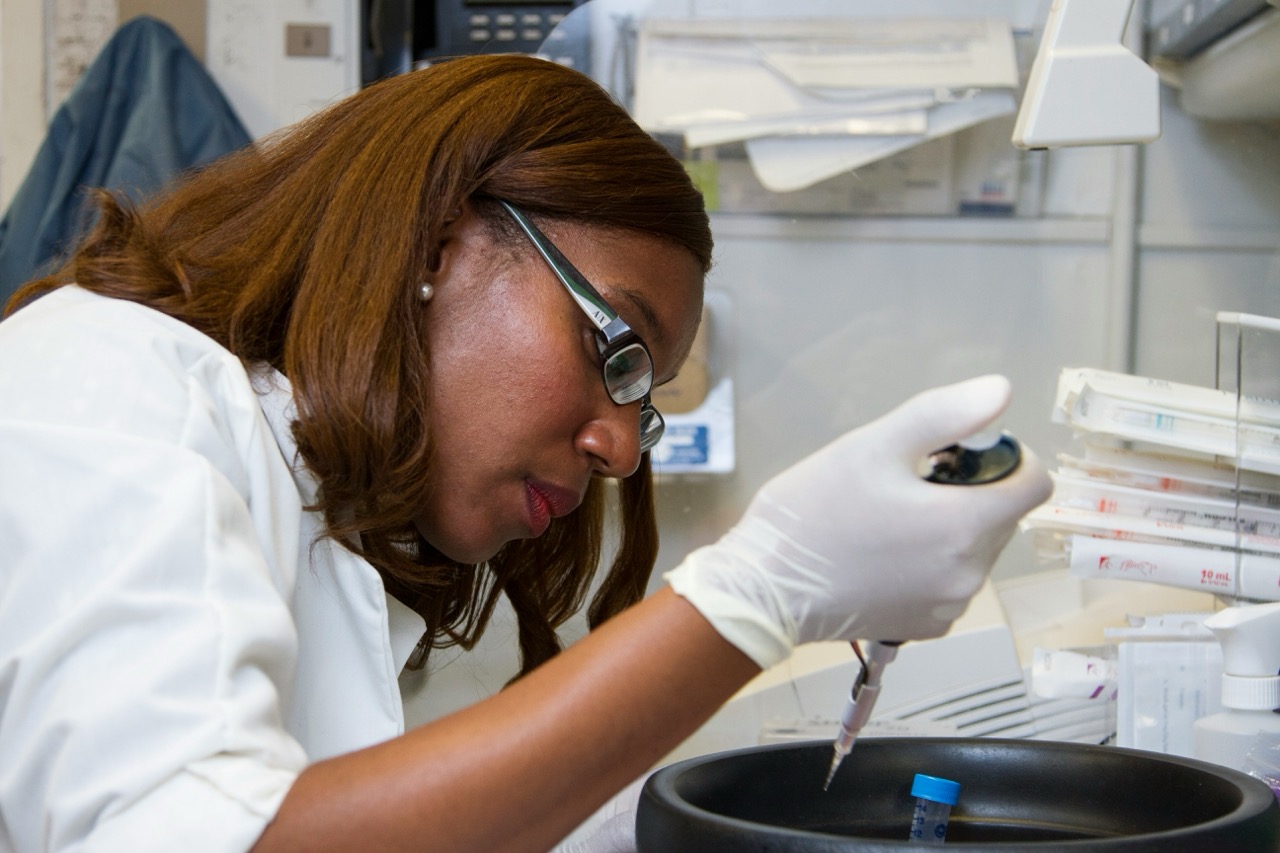
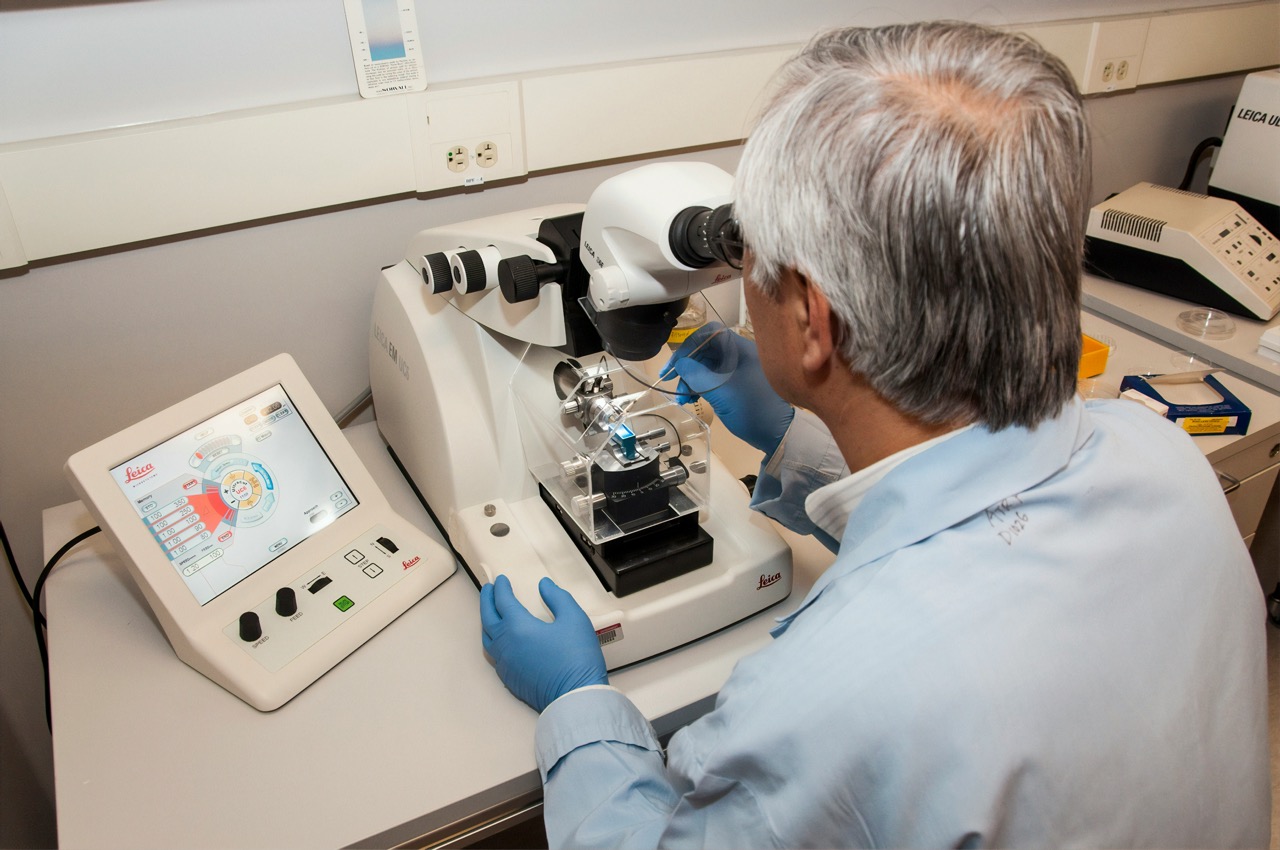
Testing for Chlamydia is simple, quick, and often free or low-cost for college students. Most college health centers offer STI testing, which may include a urine test or swab. Typically, the process is confidential, allowing students to seek testing without fear of judgment. Many local clinics and public health organizations also provide testing and may even host outreach events on campuses to raise awareness.
Students should consult their health center’s website or contact staff directly to learn about available services. Some healthcare providers may also offer at-home testing kits, which allow for greater privacy and convenience. Regardless of the method, it’s essential to ensure that you are being tested correctly and that follow-up procedures are in place.
It is recommended to get tested annually or after any new sexual partner. Additionally, students who notice any symptoms or have had unprotected sex should seek testing as soon as possible. Taking these steps can significantly reduce the risk of complications and ensure timely treatment if needed.
Interpreting Your Results: Next Steps and Treatment Options
Once tested, students will receive their results within a few days to a week, depending on the testing method used. If the result is positive for Chlamydia, it is important to remain calm and remember that this infection is treatable. Healthcare providers will prescribe antibiotics, which are generally effective at clearing the infection. Completing the full course of medication is critical to ensure the infection is eradicated.
In addition to treatment, it’s essential to inform sexual partners about the positive result, as they may also need to be tested and treated. This step not only helps to stop the spread of the infection but also demonstrates a responsible approach to sexual health. Many health centers offer partner notification services, which can assist in this delicate conversation while ensuring privacy.
If the result is negative, it’s still essential to continue regular screenings and maintain open communication with partners about sexual health. Staying informed and proactive can help prevent future infections and contribute to a healthier sexual lifestyle. Remember, managing sexual health is an ongoing process, and being educated is the first step toward empowerment.
Chlamydia screening is an essential aspect of sexual health for college and university students. Through regular testing, understanding the risks, and knowing how to interpret results, students can take significant steps toward maintaining their health and wellbeing. By fostering an environment of openness and responsibility around sexual health, we can create supportive communities that prioritize informed choices and safe practices. Encourage friends and peers to participate in testing, and ensure that everyone understands that taking care of one’s sexual health is a vital component of overall wellbeing.