




Chlamydia is one of the most common sexually transmitted infections (STIs) globally, often going unnoticed due to its mild or nonexistent symptoms. With the increasing awareness around sexual health, many individuals find themselves questioning when the right time to get tested for chlamydia is. This leads to a crucial concern: Can you test too early for chlamydia? In this article, we will explore the symptoms and risks of chlamydia, the appropriate timing for testing, the implications of early testing, and essential tips for maintaining sexual health.
Understanding Chlamydia: Symptoms and Risks Explained
Chlamydia is caused by the bacterium Chlamydia trachomatis and can infect both men and women. It’s often referred to as a "silent infection" because many people do not experience any noticeable symptoms. When symptoms do occur, they may include painful urination, abnormal discharge, and abdominal pain. In women, it can lead to more severe complications like pelvic inflammatory disease (PID), which may result in infertility. In men, untreated chlamydia can lead to epididymitis, a painful condition affecting the testicles.
The risks associated with chlamydia extend beyond immediate physical health. An untreated infection can increase the likelihood of acquiring or transmitting HIV, the virus that causes AIDS. Furthermore, the social stigma surrounding STIs can lead to anxiety, depression, and relationship issues. Understanding the symptoms and risks is the first step toward empowering individuals to seek testing and treatment when necessary.
While chlamydia is treatable with antibiotics, awareness and early detection are key components of effective management. Regular screening, especially for sexually active individuals or those with multiple partners, can prevent the spread of the infection and contribute to overall sexual health.
When Is the Right Time to Get Tested for Chlamydia?
The timing of chlamydia testing is crucial. Generally, it’s recommended to get tested two weeks after potential exposure to the infection. This period allows enough time for the bacteria to multiply to detectable levels, ensuring more accurate results. If you suspect you have been exposed or are experiencing symptoms, it’s important to consult a healthcare professional to determine the best testing schedule.
In certain scenarios, such as after unprotected sex with a new partner or if you are in a high-risk group (e.g., having multiple partners), it’s advisable to get tested more frequently, even if you do not exhibit symptoms. Many health organizations recommend regular screenings for sexually active individuals under 25 and for anyone with risk factors.
Lastly, it’s essential to remember that chlamydia can be present without symptoms, which is why regular testing is vital. Being proactive about testing not only benefits your health but also contributes to the well-being of your partners and the broader community.
Early Testing: What You Need to Know About Accuracy
Testing too early for chlamydia can lead to inaccurate results. If testing is conducted before the recommended waiting period, the likelihood of receiving a false negative result increases. This means that even if you are infected, the test may not detect the presence of the bacteria, leading to a false sense of security. Consequently, individuals may continue with their regular sexual activities, inadvertently transmitting the infection to others.
In many cases, a follow-up test may be necessary after the initial screening, especially if there’s a high suspicion of infection despite a negative result. If you feel you have been exposed to chlamydia, consulting a healthcare provider for personalized advice on when to test can be invaluable. They can also discuss the implications of the results and what steps to take next.
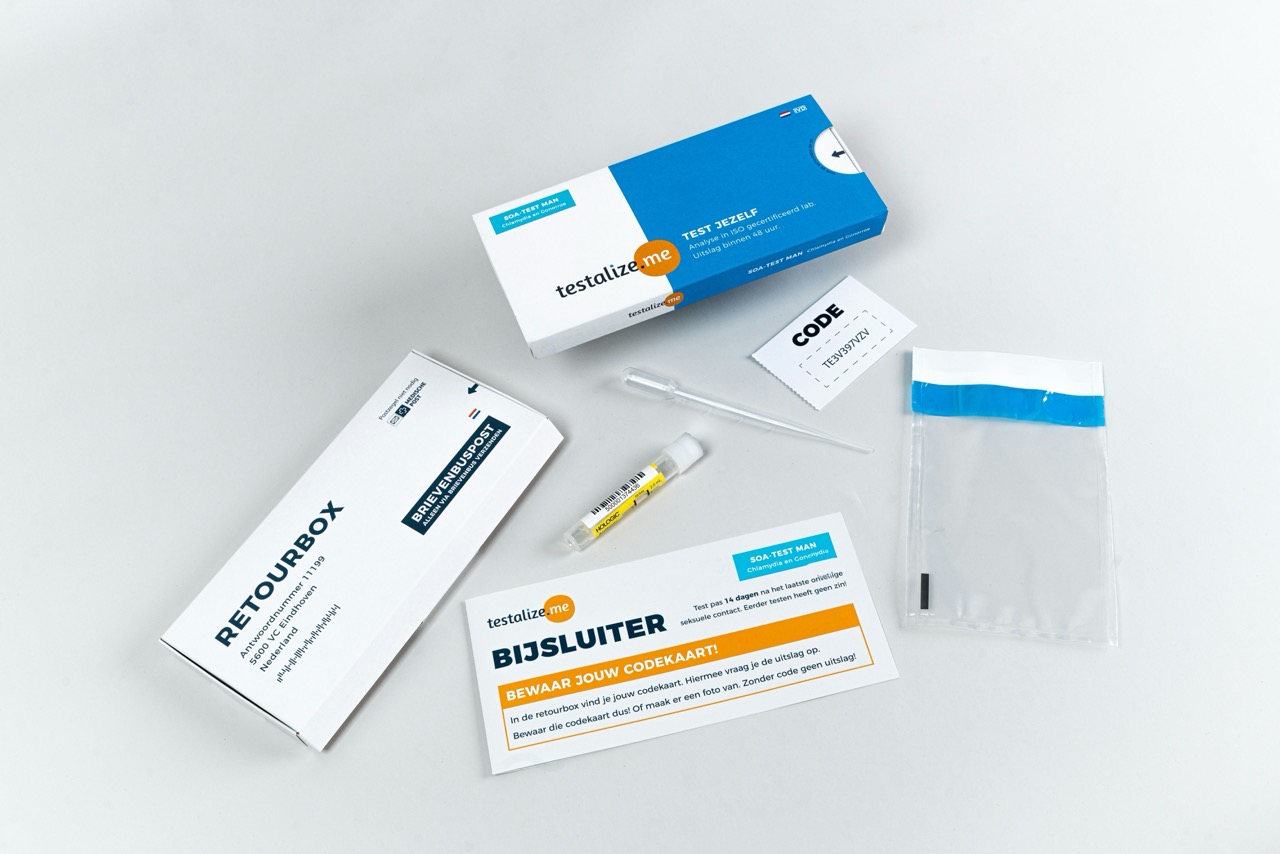
Understanding the testing process is crucial. There are different methods for chlamydia testing, including urine tests and swabs, which your healthcare provider will choose based on your situation. Regardless of the method, timely and accurate testing is essential for effective treatment and prevention of further spread.
Tips for Maintaining Sexual Health and Preventing STDs
Maintaining sexual health involves proactive measures, including regular testing for STIs, practicing safe sex, and open communication with partners. Using condoms consistently and correctly can significantly reduce the risk of transmitting STIs, including chlamydia. It’s also important to ensure that both partners are tested and treated if an infection is diagnosed.
Education plays a vital role in prevention. Being informed about STIs, their symptoms, and the importance of testing can empower individuals to take charge of their sexual health. Consider discussing sexual health openly with your healthcare provider, who can offer comprehensive information tailored to your needs.
Lastly, fostering a supportive environment where STI discussions are normalized can encourage individuals to seek help without fear of judgment. By prioritizing sexual health, individuals can contribute to a culture of awareness and responsibility, ultimately leading to healthier relationships and communities.
In conclusion, understanding the importance of timing in chlamydia testing is paramount for effective prevention and treatment. While it’s essential to be vigilant about potential exposure, testing too early can lead to inaccurate results, complicating efforts to maintain sexual health. By staying informed about symptoms, risks, and appropriate testing times, individuals can make empowered decisions regarding their sexual health. Remember, taking charge of your sexual well-being not only protects you but also benefits your partners and the wider community.