



Understanding sexually transmitted infections (STIs) is crucial for maintaining sexual health and well-being. Gonorrhoea, a common STI caused by the bacterium Neisseria gonorrhoeae, can often be misdiagnosed or missed altogether in testing. This article explores the complexities of gonorrhoea testing, specifically the possibility of having gonorrhoea even with a negative test result. By shedding light on the nuances of testing accuracy, we aim to empower individuals to take charge of their sexual health.
Understanding the Possibility of False-Negative Gonorrhoea Tests
False-negative results in gonorrhoea testing can occur and are a key consideration for anyone undergoing testing. A negative result means that the test did not detect the presence of the bacteria at the time of testing, but it does not entirely rule out an infection. Gonorrhoea can sometimes remain undetected for several reasons, including the test itself, timing, and the location of the infection. For instance, if a test is conducted too early after exposure, the bacteria may not have reached detectable levels, resulting in a false-negative outcome.
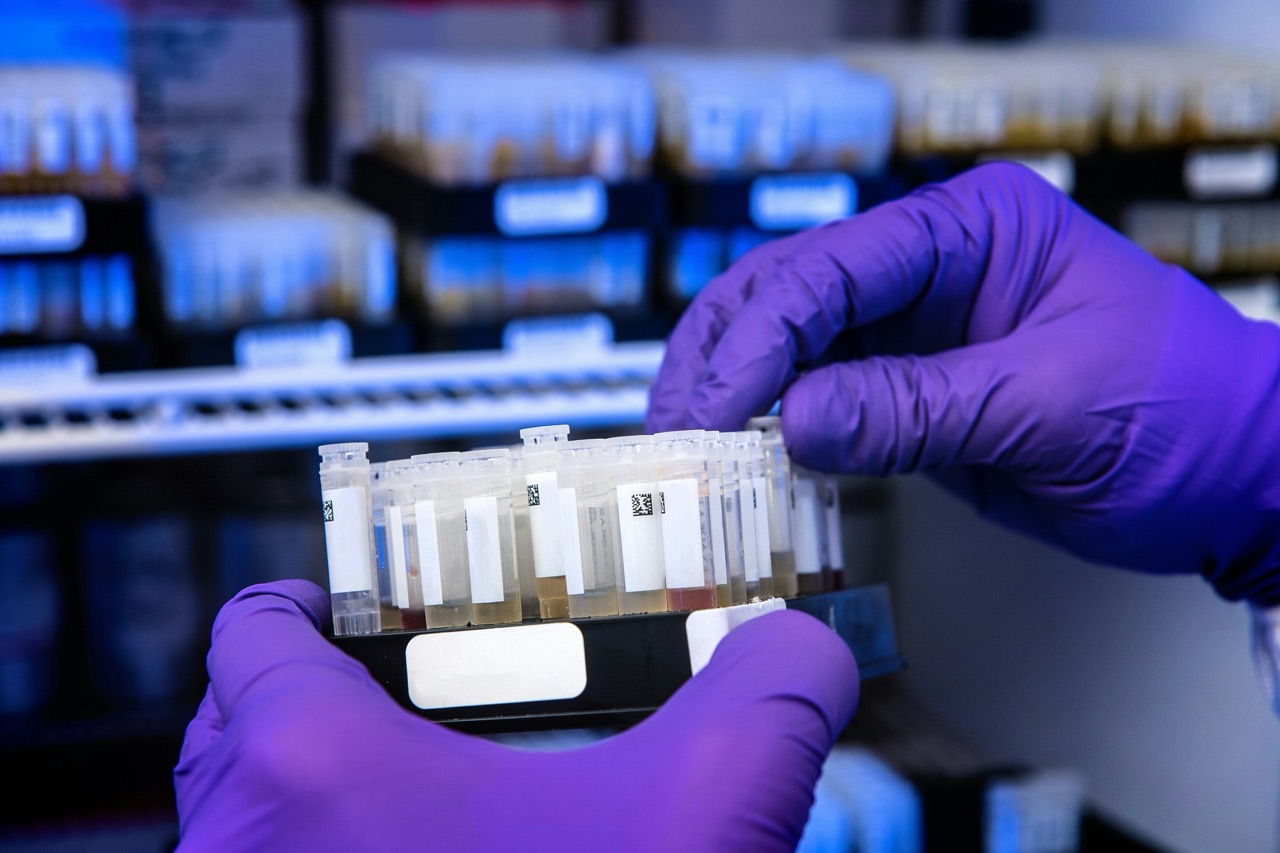
Moreover, the type of test used can also influence results. There are several methods for diagnosing gonorrhoea, including nucleic acid amplification tests (NAATs) and traditional culture tests. While NAATs are generally more sensitive and accurate, they are not infallible. Additionally, if the sample collected is inadequate or mishandled, it can lead to a negative result despite the presence of an infection. Therefore, understanding the limitations of these tests is essential for interpreting results accurately.
It’s also important to note that symptoms of gonorrhoea can sometimes be mild or absent, making it challenging for individuals to recognize the need for testing. As a result, people may feel reassured by a negative test, yet still carry the infection, unknowingly putting themselves and their partners at risk. Regular testing, especially for individuals with multiple partners or those who engage in high-risk behaviors, is vital for ensuring sexual health and preventing the spread of STIs.
Key Factors That Influence Gonorrhoea Test Accuracy and Timing
The timing of the test plays a crucial role in its accuracy. After potential exposure, the body may take time to develop detectable levels of the bacteria. Most healthcare professionals recommend waiting at least one week after exposure before undergoing testing. However, waiting too long can also complicate the situation, as symptoms may arise, increasing the risk of complications if left untreated. Therefore, establishing a timeline for testing and understanding the ideal window for testing can help reduce the likelihood of false negatives.
Another factor influencing test accuracy is the location of the potential infection. Gonorrhoea can infect various sites in the body, including the urethra, throat, and rectum. When testing, it’s essential to sample the correct site for the most accurate results. For instance, if a person has oral or anal gonorrhoea but only gets tested for urethral infections, they might receive a negative result while still harboring an active infection elsewhere. Comprehensive testing that considers all potential exposure sites can significantly improve the accuracy of results.
Lastly, individual health factors, such as the immune response and presence of other infections, can affect test outcomes. Certain conditions may mask symptoms or alter the bacteria’s detectability, resulting in misleading test results. Consulting with a healthcare provider before testing can help tailor the approach, ensuring that individuals receive the most appropriate and timely care possible. Open communication about symptoms and potential exposure can further facilitate accurate diagnosis and treatment.
In conclusion, while a negative gonorrhoea test can provide peace of mind, it is essential to approach the results with caution. Understanding the potential for false negatives, the timing of the test, and the accuracy of sampling locations can help individuals make informed decisions about their sexual health. Regular testing, open discussions with healthcare providers, and awareness of personal risk factors are key to maintaining wellbeing. Empowering oneself with knowledge about gonorrhoea and other STIs is a crucial step toward safer sexual practices and healthier relationships.