






Gonorrhoea, a sexually transmitted infection (STI) caused by the bacterium Neisseria gonorrhoeae, has been a public health concern due to its rising prevalence and increasing antibiotic resistance. While standard testing methods help detect the presence of the infection, the question arises: can these tests also identify antibiotic resistance? Understanding this facet of gonorrhoea testing is crucial for effective treatment and prevention strategies. This article explores the relationship between gonorrhoea testing and antibiotic resistance, emphasizing its significance for sexual health awareness.
Understanding Gonorrhoea Testing and Antibiotic Resistance
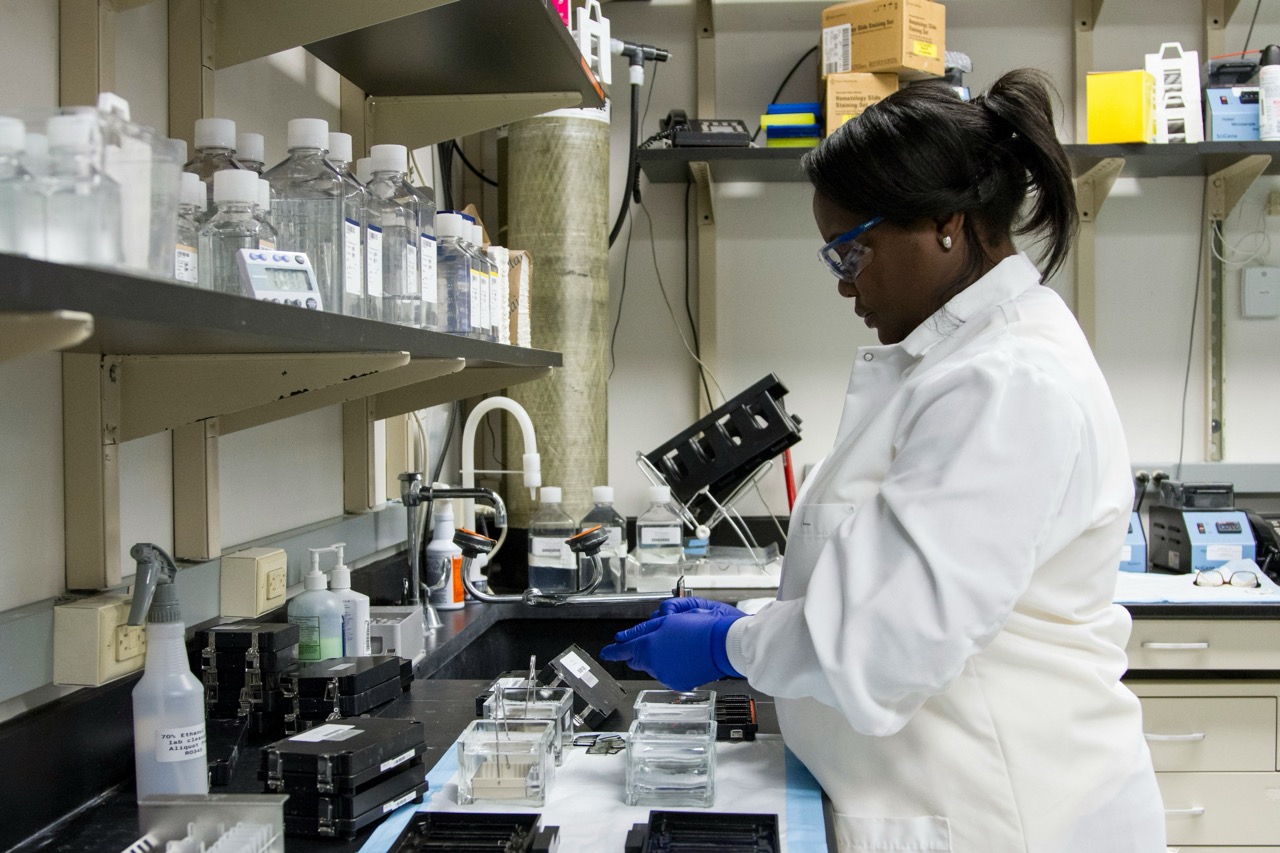
Gonorrhoea testing typically involves collecting samples from the affected area, such as urine or swabs from the cervix, throat, or rectum. These samples are then sent to a laboratory where they are examined for the presence of Neisseria gonorrhoeae. Traditionally, testing has focused on confirming the existence of the bacteria, but with the rising concern over antibiotic resistance, there’s a growing need to assess how these bacteria respond to common treatments.
Recent advancements in laboratory techniques allow for antimicrobial susceptibility testing, which can determine how effective certain antibiotics are against the gonorrhoea strain present in a patient. This process involves culturing the bacteria in the presence of different antibiotics and observing their growth patterns. If the bacteria show resistance to commonly used antibiotics, healthcare providers can tailor treatment plans to use more effective alternatives, thus improving patient outcomes and reducing the risk of complications.
However, not all gonorrhoea tests routinely include antibiotic resistance screening. While some specialized labs may offer this service, individuals undergoing standard testing may not receive this crucial information. As awareness grows about the importance of identifying antibiotic resistance, more healthcare facilities are likely to incorporate these tests into their protocols, ultimately benefiting public health efforts in managing gonorrhoea.
The Importance of Accurate Testing for Sexual Health Awareness
Accurate testing for gonorrhoea is pivotal in promoting sexual health awareness. With the rise of antibiotic-resistant strains, individuals must understand the implications of their test results. Knowing whether a particular strain of gonorrhoea is resistant to treatment can empower patients to make informed decisions about their sexual health and the health of their partners.
Moreover, accurate testing plays a key role in preventing the spread of gonorrhoea and other STIs within communities. Early detection and appropriate treatment can significantly reduce transmission rates. When healthcare providers are equipped with information about antibiotic resistance, they can guide patients towards safer practices and appropriate follow-up care, ultimately fostering a more informed and health-conscious community.
Additionally, sexual health education is essential in combating the stigma that often surrounds STIs. By providing clear, accessible information about testing and treatment options, individuals are more likely to seek help when needed. Normalizing conversations about STIs and their implications encourages proactive health measures and reinforces the importance of regular testing as part of responsible sexual health practices.
In conclusion, understanding the nuances of gonorrhoea testing, particularly regarding antibiotic resistance, is vital for effective treatment and public health. As healthcare advances, integrating antibiotic susceptibility testing into routine gonorrhoea screenings can lead to better outcomes for individuals and communities. By prioritizing accurate testing and fostering open dialogues about sexual health, we can empower individuals to take charge of their health, reduce stigma, and ultimately combat the challenges posed by antibiotic resistance in STIs. Regular testing, informed decision-making, and effective communication are essential tools in safeguarding sexual health for everyone.