




Understanding your STD status is a crucial aspect of sexual health that often goes overlooked. With the increasing prevalence of sexually transmitted infections (STIs) and the stigma surrounding them, many people may find it uncomfortable or unnecessary to get tested. However, knowing your status not only protects your health but also the health of your partners. In this article, we will explore the importance of understanding your STD status, the benefits of regular testing, how to interpret results, and empowering steps you can take to reduce your risk.
Understanding the Importance of Knowing Your STD Status
Knowing your STD status is fundamental for several reasons. First and foremost, many STDs can be asymptomatic, meaning individuals may not exhibit any noticeable symptoms even while carrying an infection. This lack of symptoms can lead to a false sense of security, prompting individuals to engage in sexual activity without realizing the potential risks to themselves and their partners. By getting tested regularly, you can stay informed about your health and take necessary precautions.
Secondly, understanding your STD status fosters open communication with sexual partners. When both parties are aware of their health statuses, they can make informed decisions together, ultimately leading to safer sexual experiences. This transparency is especially important in establishing trust and mutual respect in relationships, which can enhance intimacy and connection.
Lastly, knowing your STD status empowers you to seek appropriate treatment if needed. Many STDs are treatable or manageable with medical intervention. Early detection can prevent complications such as infertility or long-term health issues. Therefore, having a clear understanding of your status is not just about knowledge; it’s about taking proactive steps toward better health.
How Regular Testing Can Protect Your Sexual Health
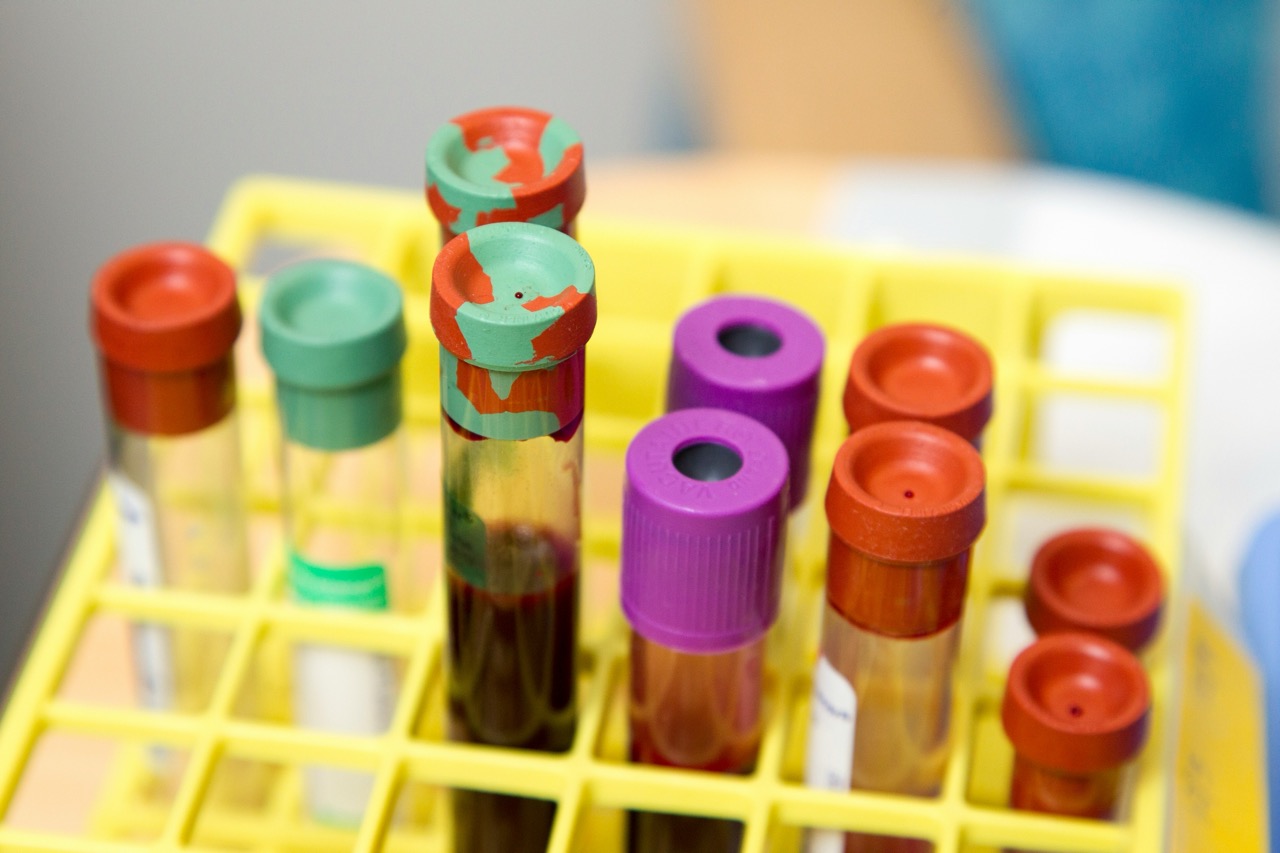
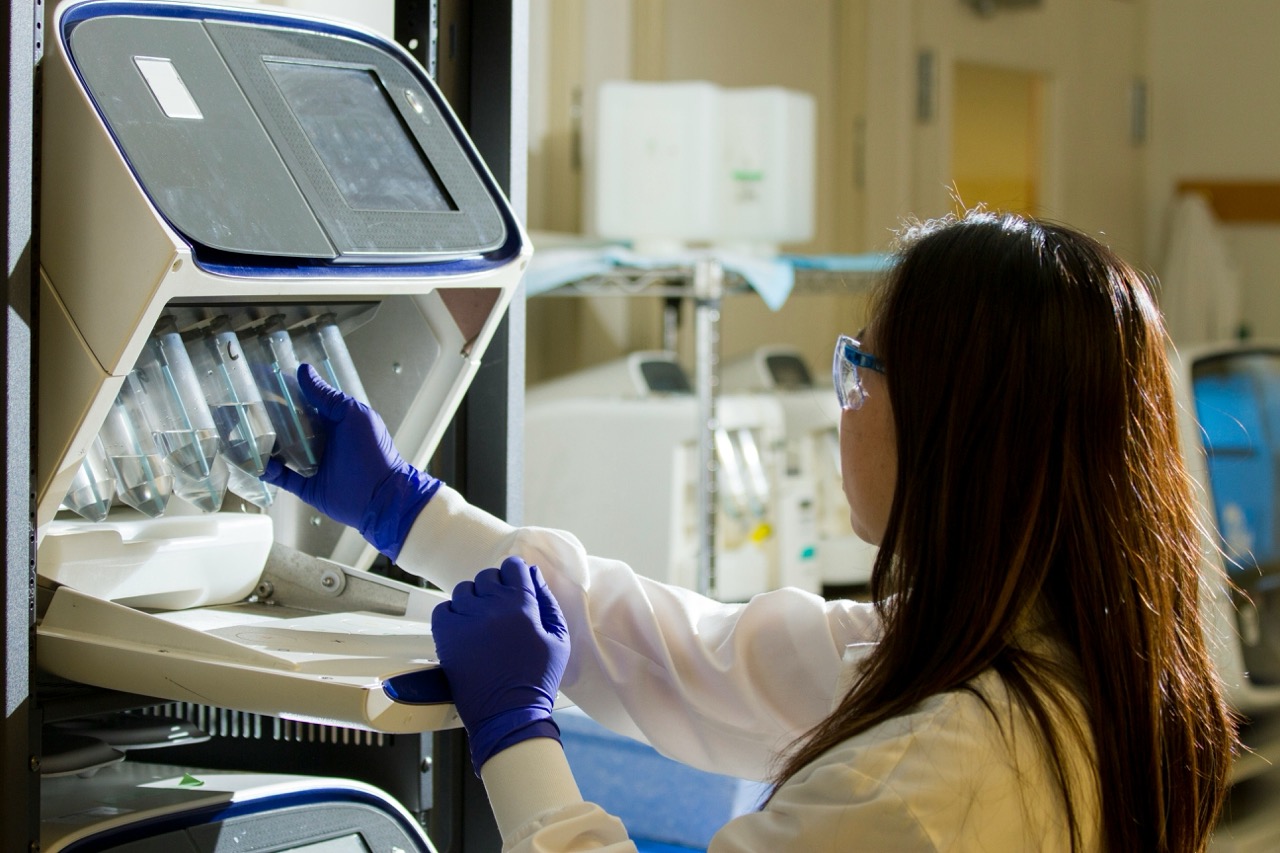
Regular testing is a critical component of sexual health maintenance. The Centers for Disease Control and Prevention (CDC) recommends that sexually active individuals, especially those with multiple partners or new partners, get tested at least once a year. Testing can catch infections early, even before symptoms appear, allowing for timely treatment and reducing the likelihood of transmission to others.
Moreover, regular testing can help you stay informed about your sexual health as it can change over time. Engaging in new sexual relationships, experiencing changes in your sexual activity, or even going through life changes can all impact your risk for STDs. By making testing a routine part of your healthcare, you ensure that you remain aware of your status and can take action as needed.
In addition, regular STD testing contributes to broader public health efforts. By reducing transmission rates within communities, we can collectively work towards lowering the prevalence of STDs. This communal approach not only benefits individual health but also promotes a culture of responsibility and awareness surrounding sexual health.
Interpreting Your Results: What Do They Mean?
Understanding how to interpret your STD test results is essential for managing your sexual health. If your results come back negative, it often means that you are not currently infected with any tested STDs. However, it’s crucial to remember that the window period for some infections varies; testing too early may yield a false negative. Therefore, follow-up testing may be necessary after certain exposures or if symptoms develop.
In cases where results are positive, it’s natural to feel a wave of emotions. It’s important to remember that a positive result does not define who you are. Many STDs are common, and most are treatable. Your healthcare provider can guide you through the next steps, which may include further testing, treatment options, and advice on informing partners.
Educating yourself about the specific STD you may have can also help alleviate fears and misconceptions. Resources are available to help you understand the infection, its transmission, treatment options, and potential implications for your health and that of your partners. Knowledge is an empowering tool in managing your sexual health.
Empowering Yourself: Steps to Reduce STD Risk
Taking proactive steps to reduce your risk of STDs is a vital part of sexual health. First, consider using protection consistently, such as condoms or dental dams, during sexual activity. These barriers can significantly reduce the risk of transmission for many STDs. Additionally, discussing sexual history and testing with potential partners before becoming intimate can create an environment of trust and security.
Another essential step is to maintain open lines of communication with healthcare providers. Regular check-ins and consultations can help you stay informed about your health and any new developments in STD prevention. If you have concerns or questions regarding your risk factors, don’t hesitate to reach out to medical professionals for guidance and support.
Lastly, consider getting vaccinated against preventable STDs, such as Human Papillomavirus (HPV) and Hepatitis B. Vaccination can provide an additional layer of protection and serve as a proactive approach to your sexual health. Empowering yourself with knowledge, resources, and preventive measures can enhance your confidence and overall well-being.
Knowing your STD status is not just about individual health; it’s about fostering a responsible and informed community. Regular testing, understanding your results, and taking precautions are vital steps in promoting sexual health for yourself and your partners. By prioritizing awareness and education, we can work towards breaking the stigma surrounding STDs and create a more supportive environment for sexual health discussions. Remember, being informed is being empowered, and that empowerment lays the foundation for healthier relationships and a healthier society.