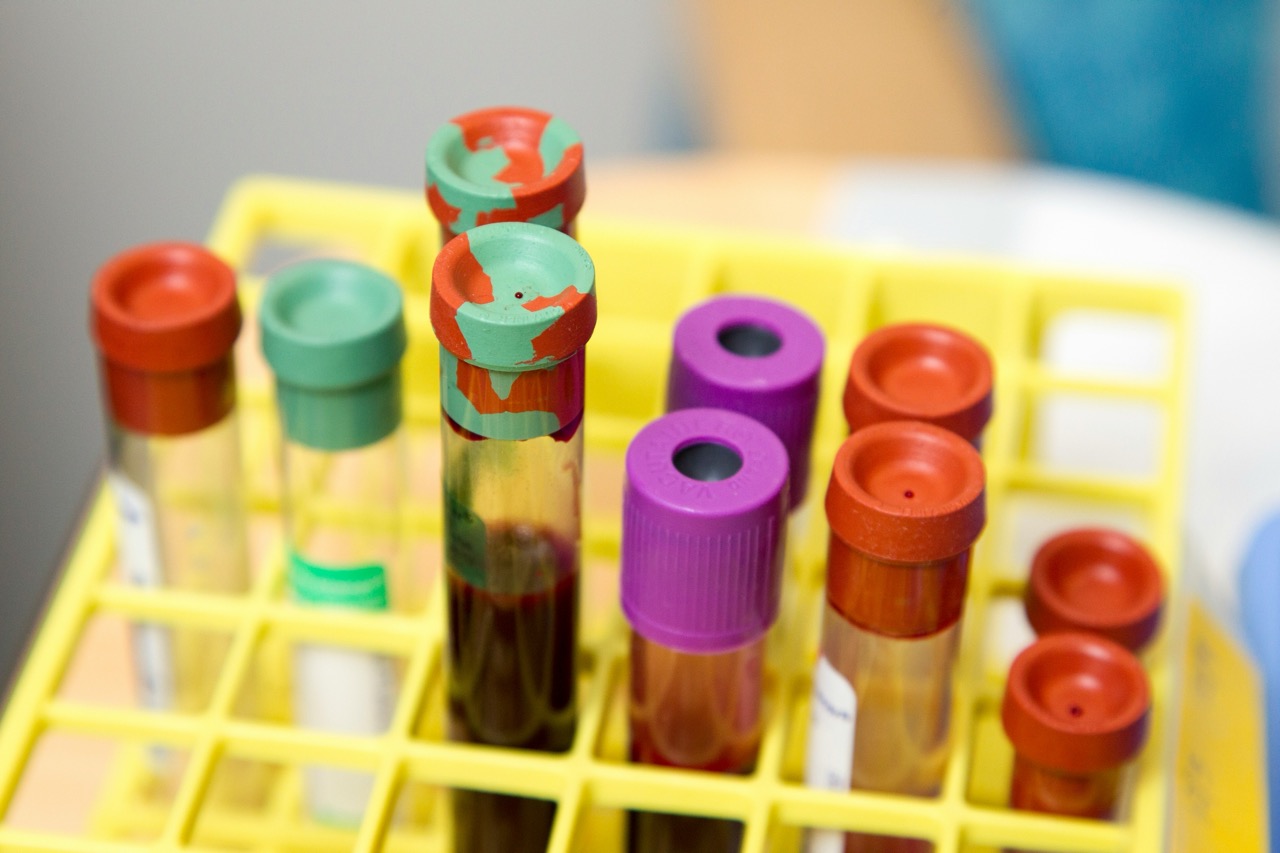






In today’s world, sexual health is an essential component of overall well-being. Understanding and addressing sexually transmitted diseases (STDs) is crucial for everyone. Regular STD testing not only empowers individuals with knowledge about their health but also plays a vital role in public health by preventing the spread of infections. This article aims to provide a comprehensive guide to STD testing, including its importance, common infections, testing procedures, and how to interpret results, ensuring you can make informed decisions about your sexual health.
Understanding the Importance of Regular STD Testing Today
Regular STD testing is essential for anyone who is sexually active, regardless of age or relationship status. Many STDs can be asymptomatic, meaning individuals may unknowingly carry and transmit infections without displaying any symptoms. This silent spread underlines the need for proactive health measures. By getting tested regularly, individuals can take control of their sexual health and protect their partners as well.
Moreover, early detection of STDs can lead to effective treatment and reduce the risk of complications. Many STDs, if left untreated, can result in severe health issues, including infertility, chronic pain, and increased susceptibility to HIV. Regular testing serves as a preventive measure, ensuring that individuals receive timely care and guidance tailored to their specific needs.
Additionally, discussing STD testing can help dissolve the stigma associated with sexual health. By normalizing these conversations, individuals can feel more empowered to seek help, ask questions, and make informed decisions. When it comes to sexual health, knowledge is power, and regular testing is a key component of that knowledge.
Common STDs: What You Need to Know and Recognize
There are several common STDs that individuals should be aware of, including chlamydia, gonorrhea, syphilis, herpes, and HIV. Chlamydia and gonorrhea are bacterial infections often characterized by unusual discharge or pain during urination, although many people do not experience noticeable symptoms. Syphilis can present with sores and rashes, but its initial stages may go unnoticed, leading to serious health consequences if left untreated.
Herpes, caused by the herpes simplex virus (HSV), is another prevalent infection. It often manifests as painful blisters or sores on the genital area. While there is no cure for herpes, antiviral medications can help manage outbreaks and reduce transmission risk. HIV, the virus that causes AIDS, requires even more attention; early detection and treatment can significantly improve quality of life and prevent progression to full-blown AIDS.
Understanding these common STDs, their symptoms, and the potential long-term effects of untreated infections is essential. This knowledge enables individuals to recognize potential issues sooner and seek appropriate medical advice, fostering a more informed approach to sexual health.
How to Get Tested: Procedures, Privacy, and Options
Getting tested for STDs can be a straightforward process that respects your privacy and comfort. Many healthcare facilities offer confidential testing options, ensuring that your test results remain private. You can visit your primary care physician or seek services at specialized clinics, community health centers, or even at-home testing kits, which provide convenient options for those who may feel anxious about visiting a healthcare provider.
When preparing for a test, it’s important to know what to expect. Some tests may involve a simple urine sample, while others could require a blood draw or a swab from the genital area. Depending on the type of test you undergo, results may be available within a few days. Having open communication with your healthcare provider about your sexual history and any symptoms you might be experiencing can help tailor the testing process to your situation.
Additionally, many health insurance plans cover STD testing, and there are low-cost or free services available for those who may not have insurance. Ensuring that financial barriers do not prevent access to testing is crucial to promoting sexual health in the community.
Interpreting Results: Next Steps and Available Treatments
Interpreting your STD test results is a critical step in managing your sexual health. If your results come back positive for an STD, it’s essential to consult with your healthcare provider to discuss the next steps. Many STDs are treatable, particularly bacterial infections like chlamydia and gonorrhea, which can often be cleared with antibiotics. Early detection is crucial for effective treatment.
If you test positive for a viral infection, such as herpes or HIV, it’s important to understand that while these infections cannot be cured, they can be managed effectively with proper medical care. Antiviral medications can help control outbreaks of herpes, while antiretroviral therapy (ART) for HIV can help maintain a healthy immune system and reduce the viral load to undetectable levels, greatly lowering the risk of transmission.
Furthermore, if you receive a positive result, consider informing your partners so they can also seek testing and treatment. This collective approach to sexual health not only helps you but also promotes the well-being of your community. Remember, open conversations and informed decisions empower everyone involved.
Regular STD testing is a vital aspect of sexual health that promotes well-being and fosters informed decision-making. By understanding common STDs, knowing how to get tested, and learning to interpret results, individuals can take charge of their health while contributing to the broader effort of reducing infection rates. It’s never too late to prioritize your sexual health—start the conversation today, get tested regularly, and ensure that you and your partners stay informed and safe.