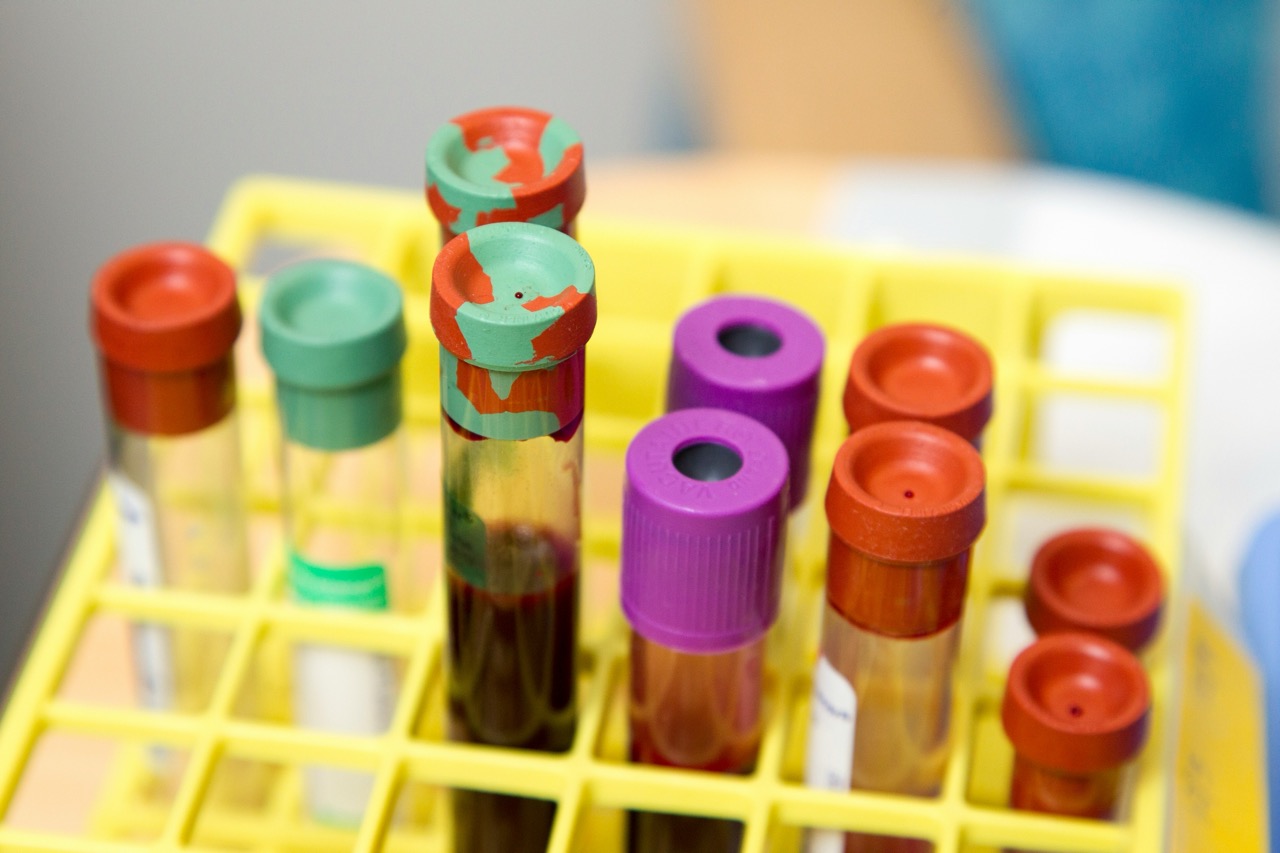






In an era where sexual health is increasingly prioritized, understanding the role of STD testing in adult life is essential. Regular testing not only helps maintain your health but also protects your partners and the broader community. Despite the stigma that may accompany it, STD testing should be viewed as a normal and responsible part of being an adult. This article seeks to demystify the process, clarify common misconceptions, and empower individuals to take charge of their sexual health.
Understanding the Importance of Regular STD Testing Today
Regular STD testing plays a crucial role in maintaining both personal and public health. Sexually transmitted infections (STIs) often present without symptoms, making it easy for individuals to unknowingly spread infections to their partners. By getting tested regularly, you can catch any issues early and ensure prompt treatment, which is vital for preventing complications associated with untreated STIs. Moreover, testing is a responsible way to care for both your own health and that of your sexual partners.
Beyond just individual health, regular STD testing contributes to community health. The more people who participate in testing and treatment, the lower the overall prevalence of STIs in the population. This collective effort can reduce the transmission rates and help manage outbreaks effectively. By normalizing testing, we create an environment where individuals feel more comfortable seeking care, ultimately leading to better health outcomes for everyone involved.
In essence, regular STD testing is an acknowledgment of the complexities of adult relationships and sexual health. It reflects a commitment to informed choices and responsible behaviors, laying the groundwork for healthier interactions and relationships. Embracing this practice can empower individuals to make positive health decisions while reducing the stigma surrounding sexual health issues.
Common Myths About STD Testing: What You Should Know
Despite the importance of STD testing, several myths persist that can deter individuals from seeking the tests they need. One common misconception is that only those with multiple partners or a specific lifestyle should get tested. In reality, anyone who is sexually active could be at risk for STIs, regardless of their relationship status. Regular testing should be part of a responsible sexual health routine for everyone, not just those who fit a certain profile.
Another myth revolves around the belief that getting tested is painful or complicated. Many people fear the process and hesitate to schedule an appointment. However, advancements in testing methods have made the process much more straightforward and less invasive. Many clinics offer quick and easy tests, including self-collection options. Knowing that the experience can be manageable helps alleviate anxiety about the procedure and encourages individuals to prioritize their health.
Lastly, some believe that if they feel fine, they don’t need to be tested. This misconception can have serious consequences, as many STIs can be asymptomatic. Routine testing is crucial even when you feel healthy. Regular check-ups allow for early detection, reducing the risk of long-term health issues and helping to prevent the spread of infections to others. By dispelling these myths, we can foster a more informed and proactive approach to sexual health.
How to Get Tested: A Step-by-Step Guide for Adults
Getting tested for STIs is a straightforward process that can be broken down into manageable steps. First, identify where you would like to get tested. Many health clinics, hospitals, and private practices offer sexual health services. Additionally, there are at-home testing kits that provide privacy and convenience. It’s important to choose a reputable source and verify that they offer the specific tests you may need.
Once you’ve chosen a testing location, make an appointment if necessary, or inquire about walk-in options. Before your visit, it may be helpful to jot down any symptoms you’ve experienced or relevant sexual history, as this information can assist healthcare providers in recommending appropriate tests. Arriving prepared can ease any apprehension and ensure a more comprehensive visit.
During the appointment, healthcare professionals will guide you through the testing process. This might involve a physical examination, blood tests, or urine samples, depending on what STIs you are being tested for. The whole process typically takes only a short time, and results are usually available within a few days. Remember, asking questions and expressing any concerns to the healthcare provider is encouraged; they are there to help you navigate your sexual health comfortably.
Interpreting Your Results: What Comes Next for You?
Interpreting the results from your STD tests is a crucial step in managing your sexual health. If your results come back negative, it’s a positive outcome, but it’s important to maintain regular testing as part of your routine, especially if you continue to be sexually active. Understanding your results can also empower you to communicate effectively with your partners about your sexual health.
If your results are positive, it’s important to remember that many STIs are treatable and manageable. Healthcare providers can discuss the next steps with you, which might include treatment options, follow-up appointments, and ways to inform any partners you may have exposed. It’s natural to feel concerned or anxious about a positive result, but seeking support from healthcare professionals, counselors, or support groups can help you navigate this challenging time.
Additionally, regardless of your results, this experience can serve as a catalyst for enhancing your sexual health practices. Consider discussing safer sex strategies with your partners, such as condom use and regular testing. Education and open communication are key to promoting healthier relationships and reducing the stigma that often surrounds sexual health. Ultimately, taking proactive steps post-testing can lead to a more informed, empowered, and healthier you.
Incorporating STD testing into your routine is essential for maintaining your sexual health and fostering a culture of openness and responsibility. By understanding its importance, dispelling common myths, and knowing how to navigate the testing process, you can take informed steps toward your well-being. Remember that sexual health is a part of overall health, and prioritizing it allows you to lead a fulfilling, responsible adult life. Embrace STD testing as a normal aspect of your sexual health journey, and encourage those around you to do the same.