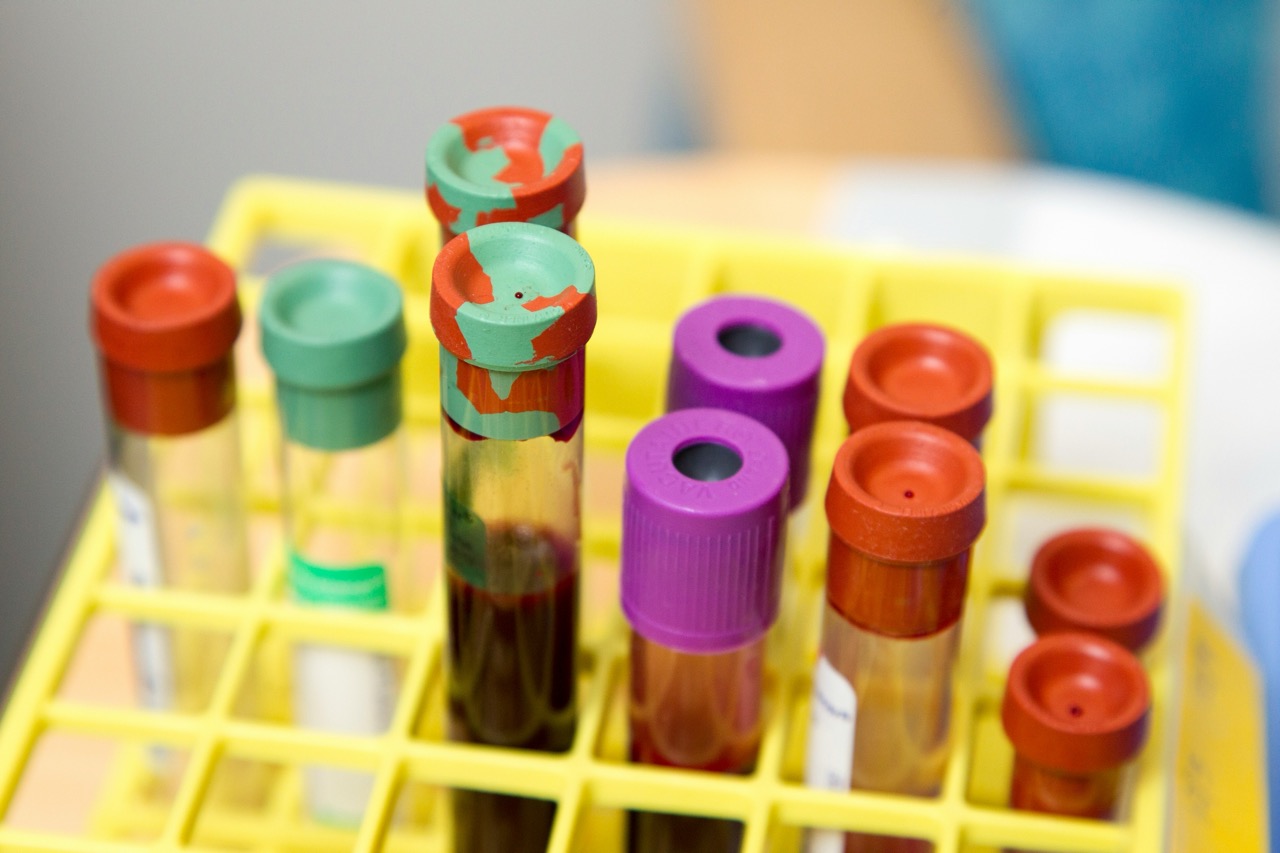






Sexually transmitted diseases (STDs) can carry a heavy stigma and contribute to feelings of fear or anxiety surrounding testing. However, understanding the importance of regular STD testing, knowing the procedures involved, and being informed about your results can significantly alleviate these concerns. This guide aims to empower you with knowledge, ensuring that you approach STD testing with confidence, clarity, and a focus on your sexual health.
Understanding the Importance of STD Testing for Everyone
STD testing is crucial for everyone, regardless of sexual orientation, relationship status, or perceived risk level. Many STDs can be asymptomatic, meaning individuals may unknowingly carry infections and transmit them to partners. Regular testing helps in early detection, which is vital for effective treatment and management. Addressing STDs promptly can prevent further complications and protect your long-term health.
Moreover, regular testing promotes a culture of openness about sexual health. By normalizing these conversations, we can reduce stigma and encourage more people to seek the care they need. This proactive approach not only safeguards personal health but also contributes to community wellness by lowering infection rates and promoting awareness about prevention methods.
Finally, understanding your status empowers you in your relationships. Knowing whether you or your partner has an STD allows for informed discussions about sexual practices, consent, and safety measures. It builds trust and fosters a healthier sexual environment, reinforcing the notion that being responsible about sexual health is a positive choice.
Step-by-Step Guide to Stress-Free STD Testing Procedures
The testing process can seem intimidating, but knowing what to expect can ease your mind. Start by finding a reputable clinic or healthcare provider that offers STD testing. Many places prioritize confidentiality and have trained staff to support you throughout the process. You can also check if they offer a variety of testing methods, such as blood tests or urine samples, to choose what feels most comfortable.
Once you’ve chosen a testing location, schedule an appointment. During this visit, a healthcare professional will ask about your sexual history and any symptoms you may be experiencing. This information is vital for determining which tests are appropriate for you. Remember, it’s entirely confidential, and the staff is there to help, not to judge.
After the sample collection, you may be given instructions on when and how to receive your results. Many clinics now offer online portals where you can access your results safely and privately. This means you can take your time to process the information and discuss it with a healthcare professional if needed, allowing for a stress-free experience.
Interpreting Your Results: What You Need to Know
Receiving your STD test results can be a nerve-wracking experience, but it’s essential to approach it with a clear mind. If your results come back negative, it’s an opportunity to celebrate your sexual health and continue practicing safe habits. On the other hand, if you test positive for an STD, remember that this is not the end; it is just the beginning of managing your health.
Most STDs are treatable and manageable, with many requiring a simple course of antibiotics or antiviral medications. Your healthcare provider will explain your diagnosis, treatment options, and next steps, ensuring you understand your situation. Many clinics also offer follow-up appointments to monitor your progress and provide ongoing support.
It’s essential to remember that a positive result does not define you or your self-worth. Many people live full, healthy lives after an STD diagnosis. Furthermore, being open and honest with your partners about your status is a vital part of responsible sexual health management. This transparency can foster understanding and create supportive environments for everyone involved.
Tips for Reducing STD Risk and Promoting Sexual Health
Preventing STDs starts with informed choices. Using condoms consistently and correctly can significantly reduce the risk of transmitting infections. It’s essential to understand that while condoms are highly effective, they do not guarantee 100% protection against all STDs. Consider discussing testing and protection options with your partner to ensure both parties are on the same page regarding sexual health.
Maintaining open communication with your sexual partners about sexual health is vital. Regularly discussing testing and encouraging each other to get tested can create a healthier sexual environment. It also helps build trust and reduces anxiety surrounding potential infections.
Finally, staying informed about sexual health and STDs can empower you to make better decisions. Educate yourself about the different types of STDs, their symptoms, and prevention methods. The more you know, the more confident you will feel in your sexual health, allowing you to engage in intimate relationships without fear or stress.
STD testing doesn’t have to be a source of anxiety or dread. By understanding its importance, familiarizing yourself with the testing process, and knowing how to interpret your results, you can approach your sexual health with confidence. Empower yourself with knowledge, communicate openly with partners, and take proactive steps towards reducing your risk. Remember, prioritizing your sexual health is a courageous and responsible choice that benefits not just you, but everyone in your community.