





In today’s world, understanding sexual health is more crucial than ever. Sexually transmitted diseases (STDs) can affect anyone, regardless of age, gender, or sexual orientation, and many infections can remain asymptomatic for a long time. Knowing when and how to get tested for STDs is an essential aspect of maintaining your overall health and well-being. This article aims to provide clarity on what questions to ask before getting an STD test, ensuring you feel informed, prepared, and empowered in your decision-making process.
Understanding the Importance of STD Testing for Your Health
Getting tested for STDs is vital for several reasons. Firstly, early detection can lead to better treatment outcomes. Many STDs, such as chlamydia and gonorrhea, can be asymptomatic but still lead to serious health complications if left untreated. Regular testing helps you stay on top of your sexual health and protects not just yourself but also your partners. By knowing your status, you can take steps to prevent transmission and manage any infections appropriately.
Another critical aspect of STD testing is reducing stigma around sexual health. Open conversations about testing normalize the experience and encourage others to prioritize their health. This is particularly important as many people feel embarrassed or uncomfortable discussing their sexual health, which can hinder their willingness to get tested. By fostering a culture of openness, we can collectively promote safer sexual practices and reduce the spread of STDs.
Furthermore, understanding the importance of testing can empower you to make informed choices about your sexual activities. It allows you to engage in responsible practices like safer sex, and it provides the opportunity to discuss sexual health with your partners. This not only strengthens relationships but also elevates the importance of mutual respect and care within intimate interactions.
Key Questions to Ask Your Healthcare Provider Before Testing
Before getting tested for STDs, it’s essential to have a clear understanding of the testing process. Start by asking your healthcare provider about which specific STDs will be tested during your appointment. Common tests include those for HIV, chlamydia, gonorrhea, syphilis, and herpes, but not all tests may be included in a standard screening. Knowing what to expect will help you prepare for the visit and understand the relevance of each test based on your sexual history.
Another important question involves the accuracy of the tests. Inquire about the sensitivity and specificity of the tests being used, as well as how long it typically takes to receive results. Understanding the window period—how long after exposure you should wait to get tested for accurate results—is crucial. Your provider can give you recommendations based on your personal history and risk factors, ensuring you get tested at the right time for the most reliable outcomes.
Finally, don’t hesitate to ask about the confidentiality of your testing. It’s your right to know who will have access to your results and how your information will be stored. Discussing privacy concerns with your healthcare provider can help alleviate anxiety about getting tested and ensure you feel safe throughout the process.
What to Expect During Your STD Testing Appointment
Your STD testing appointment may vary depending on the clinic and the specific tests ordered, but it typically begins with a discussion of your sexual history and relevant symptoms. This conversation is essential as it helps your healthcare provider recommend the most appropriate tests for you. While it may feel uncomfortable to discuss personal details, remember that healthcare professionals are trained to handle these conversations respectfully and confidentially.
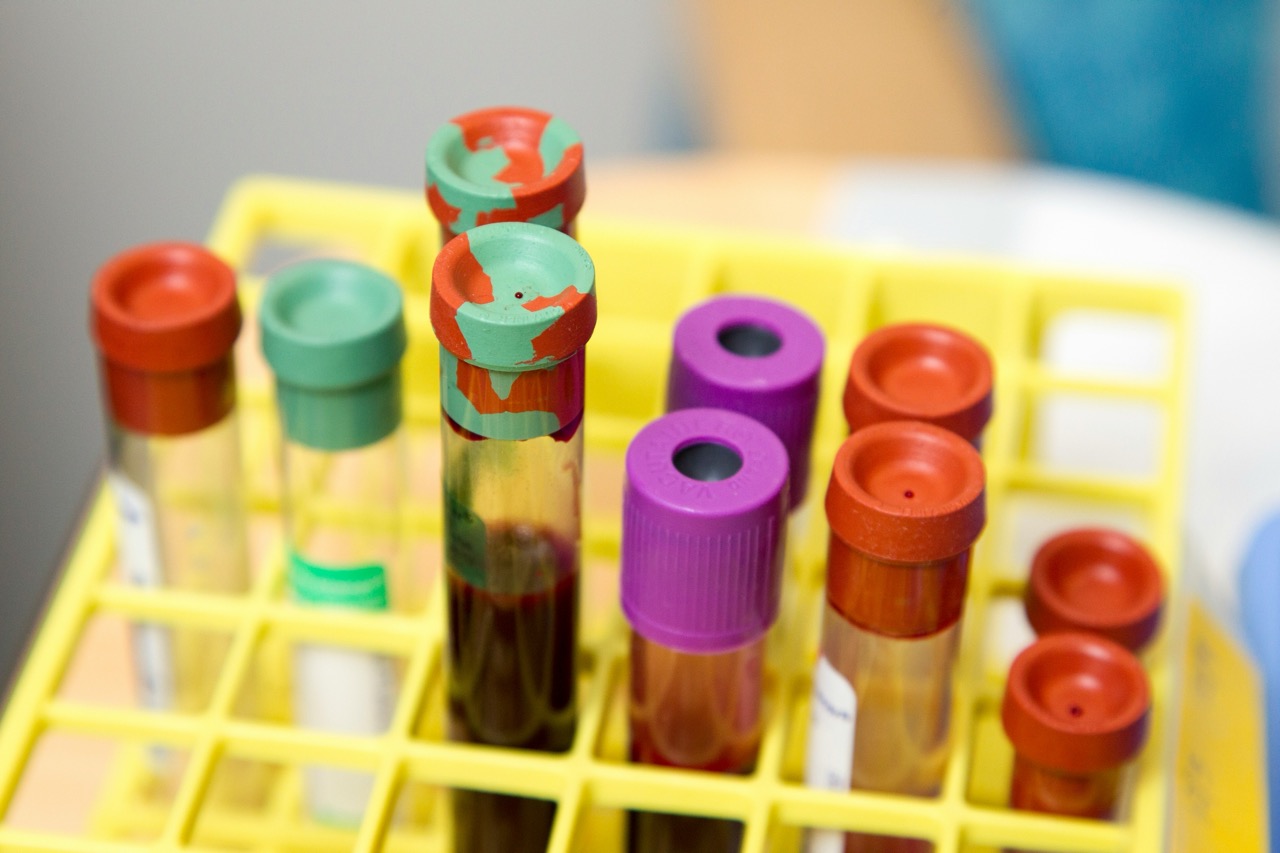
The actual testing may involve different methods depending on the infections being screened. Some common methods include blood tests, urine samples, and physical examinations. For instance, a urine test can detect infections like chlamydia and gonorrhea, while blood tests are commonly used for HIV and syphilis. If a physical examination is necessary, it will be performed in a private setting, ensuring your comfort and dignity throughout the process.
After the testing is complete, you will typically receive guidance on when and how you will receive your results. Some clinics provide rapid testing, allowing for immediate results, while others may take several days. Regardless, your provider will explain the next steps and any follow-up appointments that may be necessary, ensuring you have a clear plan moving forward.
Interpreting Results: Next Steps After Your Test Outcome
Once you receive your STD test results, it’s important to understand what they mean and how to proceed. If your results are negative, this is generally a good sign, but it’s crucial to maintain regular testing, particularly if you are sexually active with multiple partners or if your risk assessment changes. Discuss with your healthcare provider how often you should be retested based on your situation.
If your results indicate a positive diagnosis for an STD, don’t panic. Many STDs are treatable, and your healthcare provider will guide you through the next steps. They may discuss treatment options, which can range from antibiotics for bacterial STDs to antiviral medications for viral infections. Understanding your treatment plan is vital for managing your health effectively.
Additionally, a positive result also opens up the conversation about informing recent sexual partners. Your healthcare provider can advise you on the best practices for communicating this information sensitively and effectively. Remember, taking responsibility for your sexual health not only helps you but also protects your partners and promotes a safer community overall.
Getting tested for STDs is an essential part of maintaining your sexual health and well-being. By asking the right questions and understanding the testing process, you empower yourself with knowledge and the ability to make informed decisions. It’s crucial to view testing as a regular aspect of healthcare rather than a stigma. By fostering a healthy dialogue around sexual health, you contribute to a culture where everyone can feel comfortable discussing their well-being. Prioritize your health today, and encourage those around you to do the same.