





In a world where sexual health is a crucial aspect of overall well-being, understanding how accurate STD tests are is paramount. With the increasing prevalence of sexually transmitted diseases (STDs), many individuals are concerned about their sexual health and the efficacy of testing methods. This article aims to demystify the types of STD tests available, the factors that can influence their accuracy, how to interpret test results, and steps to reduce your risk while staying informed about STDs.
Understanding the Types of STD Tests and Their Purposes
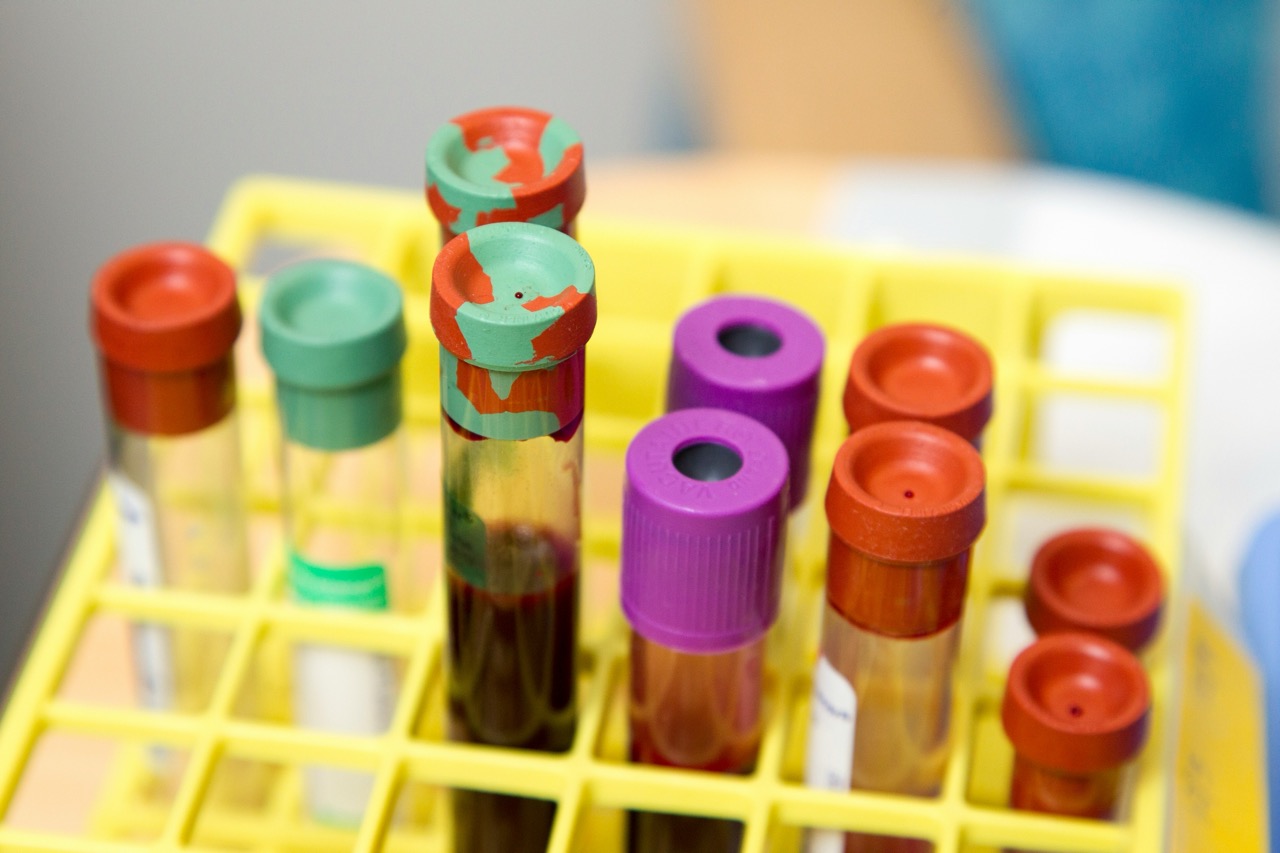
There are several types of STD tests, each designed to detect specific infections. Common tests include blood tests, urine tests, and swabs from genital areas. Blood tests, for instance, are often used to identify infections like HIV, syphilis, and hepatitis, while urine tests can effectively diagnose chlamydia and gonorrhea. Swab tests are often employed for herpes and human papillomavirus (HPV), allowing for direct examination of lesions or abnormal cells.
The purpose of these tests varies, with some primarily focusing on detection and others on determining whether an infection is currently active. For example, a viral load test for HIV measures the amount of virus in the blood, helping to guide treatment decisions. Regular testing is essential, particularly for individuals who engage in high-risk sexual behaviors or have multiple partners, as some STDs can be asymptomatic.
Understanding these different tests helps individuals make informed decisions about their sexual health. Knowing what each test screens for allows for a more tailored approach to prevention and treatment, ensuring that individuals can take the necessary steps to protect themselves and their partners.
Factors That Influence the Accuracy of STD Test Results
The accuracy of STD tests can be influenced by a variety of factors, including the type of test used and the timing of the test after potential exposure. For instance, some tests have "window periods," which refer to the time it takes for the body to produce detectable antibodies or viral particles. Testing too early after exposure can result in false negatives, making it crucial to wait for the appropriate time post-exposure before getting tested.
Additionally, the sensitivity and specificity of the tests play a significant role in their accuracy. Sensitivity refers to a test’s ability to correctly identify individuals with an STD, while specificity measures its ability to correctly identify those without the infection. A highly sensitive test may produce false positives, while a test with high specificity may yield false negatives, highlighting the importance of understanding these metrics.
Other factors, such as the laboratory’s quality and the skill of the healthcare provider administering the test, can also affect results. It’s essential to choose reputable testing facilities and consult healthcare professionals who can provide clarity and follow-up care, ensuring accurate results and appropriate next steps.
Interpreting Your STD Test Results: What Do They Mean?
Interpreting STD test results can be challenging, especially given the potential for false positives and negatives. A positive result usually indicates an infection, but further confirmatory tests may be necessary, depending on the type of STD. For example, a positive result for HIV can be followed up with a confirmatory test to ensure accuracy before starting treatment.
On the other hand, a negative result does not always guarantee the absence of an STD. If the test was conducted during the window period, or if symptoms are present, it may be advisable to retest after a certain period. Understanding how to interpret these results is crucial, and seeking guidance from healthcare professionals can provide clarity and reduce anxiety associated with testing outcomes.
It’s also essential to discuss the results with partners, as open communication can foster a healthier sexual environment. Regardless of results, being proactive about sexual health, including regular testing and preventive measures, plays a significant role in reducing the risk of STDs.
How to Reduce Your Risk and Stay Informed About STDs
Staying informed about STDs and reducing risk involves a combination of education, preventive practices, and regular healthcare visits. One of the most effective ways to reduce the risk of STDs is through consistent and correct use of condoms. Condoms act as a barrier that can significantly lower the transmission of infections during sexual activity.
In addition to using protection, regular testing is vital, particularly for sexually active individuals with new or multiple partners. Knowing your own status and that of your partner helps to make informed decisions about sexual health and can lead to early intervention if an infection occurs. Vaccinations are also available for certain STDs, such as HPV and hepatitis B, further reducing risk.
Lastly, staying educated about STDs and their implications empowers individuals to make informed choices. Resources like healthcare providers, sexual health clinics, and reputable online platforms provide valuable information about prevention, treatment options, and the latest research in the field. By maintaining awareness and being proactive about sexual health, individuals can contribute to a broader effort in reducing the stigma surrounding STDs.
Understanding the accuracy of STD tests is essential for maintaining sexual health and well-being. Knowledge about the types of tests available, factors influencing their accuracy, and how to interpret results empowers individuals to take charge of their sexual health. By combining safe practices, regular testing, and open communication with partners, individuals can significantly reduce their risk of STDs and contribute to a healthier community. Remember, seeking guidance from healthcare professionals is always a positive step in navigating your sexual health journey.