




===
In today’s world, sexual health is an integral aspect of overall wellness. Yet, many individuals often overlook the importance of regular STD testing. By understanding its significance, navigating the testing process, and being aware of common infections, you can take proactive steps toward maintaining your health. This article aims to empower readers with knowledge and resources to encourage safe practices and foster a healthier sexual lifestyle.
Understanding the Importance of Regular STD Testing for Wellness
Regular STD testing is essential not just for personal health, but for the well-being of partners and the community. Many sexually transmitted infections (STIs) can be asymptomatic, meaning individuals may unknowingly carry and transmit infections. By getting tested regularly, you take control of your sexual health and help reduce the spread of STIs, fostering a healthier environment for everyone.
Moreover, early detection of STIs can prevent serious health complications. Conditions like untreated chlamydia or gonorrhea can lead to infertility, while others like HIV can progress to AIDS without proper intervention. Regular testing allows for timely treatment, promoting not just your wellness but also that of your partner. This proactive approach is essential for maintaining overall health and well-being.
Finally, engaging in regular testing can help break the stigma surrounding STIs. By prioritizing sexual health, you contribute to a culture of openness and awareness that encourages others to seek necessary care. This collective effort can lead to a more informed and health-conscious society, where individuals are empowered to take charge of their sexual health without fear of judgment.
How to Navigate the STD Testing Process with Confidence
Navigating the STD testing process can seem daunting, but understanding the steps involved can alleviate anxiety. Start by identifying a reputable testing location. Many healthcare facilities, clinics, and even some pharmacies offer confidential testing options. Consider reaching out to local health departments or organizations that specialize in sexual health for guidance and resources.
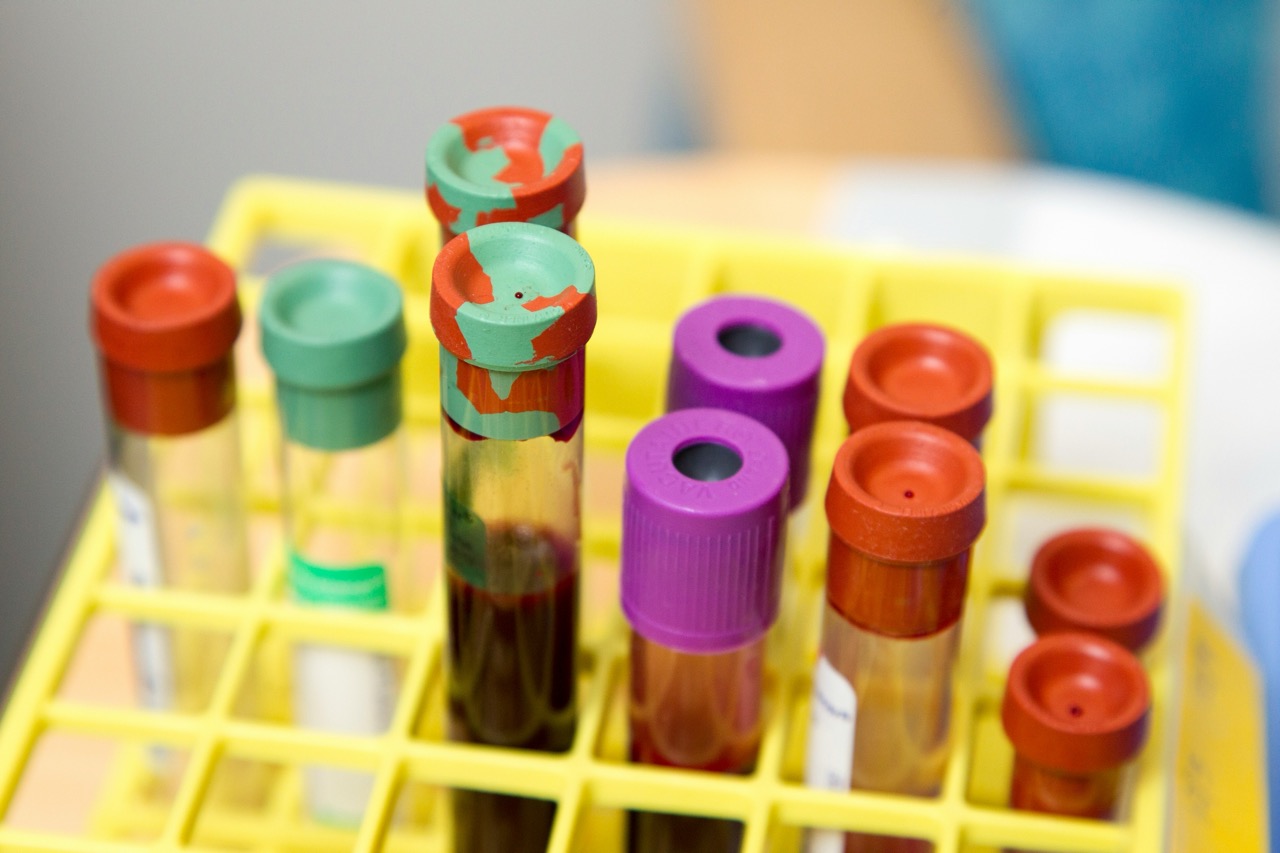
Once you’ve selected a testing site, familiarize yourself with what to expect during the appointment. Testing procedures vary depending on the type of tests being performed, but they typically involve a brief consultation with a healthcare provider, followed by sample collection. This could include urine tests, blood tests, or swabs, depending on the STIs being screened. Don’t hesitate to ask questions to ensure you feel comfortable and informed throughout the process.
After receiving your results, it’s crucial to interpret them properly. Most clinics will provide clear explanations, but you can also seek follow-up consultations if you’re uncertain about what the results mean. Understanding your health status empowers you to make informed decisions, whether that involves treatment, informing partners, or adjusting preventive measures for the future.
Common STDs: Symptoms, Risks, and Treatment Options Explained
Awareness of common STDs is key to maintaining sexual health. Some of the most prevalent infections include chlamydia, gonorrhea, syphilis, and HIV. Chlamydia and gonorrhea often present mild or no symptoms, but can lead to severe health issues if left untreated. Regular testing is essential for early detection and treatment, which typically involves antibiotics.
Syphilis, initially presenting as painless sores, can escalate into serious complications if not managed promptly. Treatment involves penicillin or other antibiotics, and sexual partners should also be informed to prevent re-infection. Meanwhile, HIV remains a significant global health issue. Though it can be managed effectively with antiretroviral therapy, early detection through testing remains crucial for effective treatment and maintaining a healthy life.
Understanding these infections, their associated risks, and treatment options is an essential part of promoting sexual health. Knowledge equips you to seek help when necessary, facilitates open discussions with partners, and ultimately reduces the stigma surrounding STIs, leading to healthier relationships and communities.
Empowering Yourself: Reducing Risk and Promoting Sexual Health
Empowering yourself with knowledge about sexual health is a fundamental step in reducing risk and promoting wellness. Practicing safer sex, such as using condoms consistently and correctly, is one of the most effective ways to reduce the risk of STD transmission. Open communication with partners about testing and sexual history also plays a vital role in fostering a safe environment.
Additionally, consider getting vaccinated against preventable STIs, such as human papillomavirus (HPV) and hepatitis B. Vaccination is a proactive measure that significantly lowers the risk of certain infections and enhances your overall sexual health. Staying informed about your body and its responses to sexual activities contributes to a more comprehensive understanding of wellness.
Lastly, creating a culture of openness and support around sexual health in your personal life and communities can help break down barriers. Encourage conversations about sexual health, testing, and prevention with friends and family. By fostering a supportive network, you contribute to a more informed public that prioritizes health and wellness for all.
===
In conclusion, regular STD testing is a cornerstone of sexual wellness, empowering individuals to take control of their health and foster a culture of openness and understanding. By navigating the testing process with confidence, being aware of common STDs, and actively reducing risks, you can promote a healthier lifestyle for yourself and others. Remember, sexual health is an essential part of overall wellness, and prioritizing it paves the way for healthier relationships and communities.