




In today’s world, sexually transmitted diseases (STDs) remain a significant public health concern. Confidential STD testing is crucial for ensuring individuals have access to the information they need for their sexual health without the fear of stigma or exposure. This article aims to demystify the process of confidential STD testing, including its importance, the steps involved, interpretation of results, and necessary actions to take following a diagnosis.
Understanding the Importance of Confidential STD Testing
Confidential STD testing provides a safe space for individuals to learn about their sexual health. Many people hesitate to get tested due to fears of judgment or breach of privacy. Knowing that the testing process is confidential helps to alleviate these concerns, encouraging more individuals to seek care. This is essential for controlling the spread of STDs, as early detection can lead to timely intervention and treatment.
Furthermore, confidential testing empowers individuals to take charge of their health. It offers a chance to understand potential risks, engage in informed conversations with partners, and make proactive decisions regarding their sexual activity. In doing so, it fosters a culture of openness about sexual health, which is crucial for breaking down barriers and reducing stigma.
Finally, confidentiality is a legal requirement in many jurisdictions, ensuring that personal health information remains protected. This legal framework not only protects patients but also reinforces trust in healthcare providers, enabling individuals to seek testing and treatment without fear of exposure.
Step-by-Step Guide to the Testing Process
The first step in the confidential STD testing process typically involves finding a reputable healthcare provider or clinic. Many organizations offer testing services that prioritize confidentiality, such as community health centers, private clinics, and even at-home testing kits. Once you select a provider, you may either schedule an appointment or inquire about walk-in services, depending on the facility’s policies.
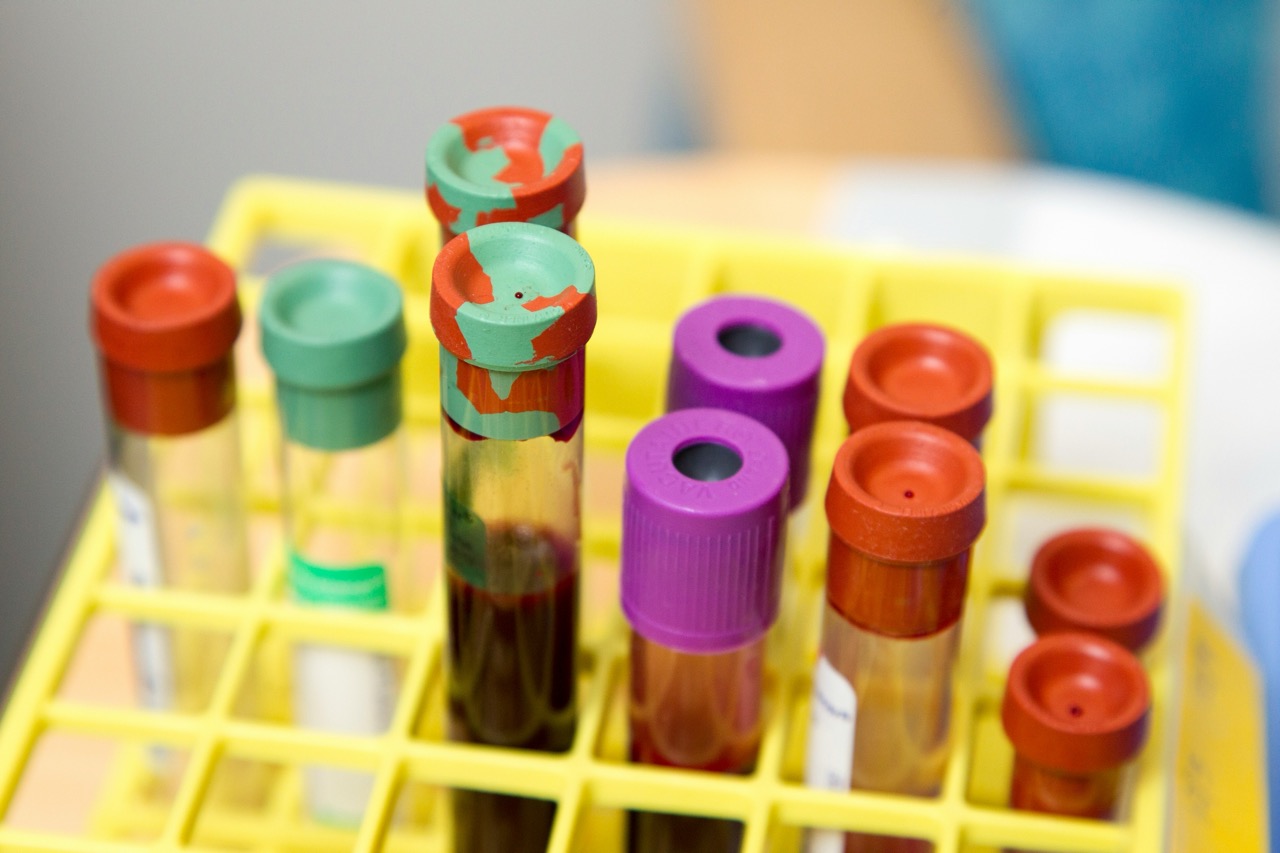
During your appointment, a healthcare professional will guide you through a brief questionnaire about your sexual history, symptoms (if any), and risk factors. This information helps them determine which tests are necessary. Common tests include those for chlamydia, gonorrhea, syphilis, and HIV, among others. The actual testing may involve urine samples, blood draws, or swabs, all performed with respect for your privacy.
After sample collection, tests are usually analyzed in a laboratory. While some results may be available within a few hours, others might take a few days. Many clinics will contact you directly with your results, either via phone, secure messaging, or an in-person visit, ensuring that your personal information remains secure throughout the process.
Interpreting Your Results: What You Need to Know
Once you receive your results, understanding them can be a significant aspect of the testing process. If your results are negative, it generally means that you do not have the STD that was tested for; however, this doesn’t necessarily mean you are free from STDs, especially if you have had recent exposure. It’s important to discuss the timing of the test with your healthcare provider, as some infections may not be detectable immediately after exposure.
In the case of a positive result, it’s natural to feel anxious or concerned. However, remember that a positive diagnosis is not the end of the road. Most STDs can be effectively treated, and your healthcare provider can guide you through the treatment options available. It’s essential to follow up with your provider for a comprehensive understanding of your condition and the next steps.
Understanding your results also involves recognizing the importance of informing partners and practicing safer sex moving forward. Open communication with partners about STDs helps to reduce transmission risks and encourages others to get tested, fostering a healthier sexual environment for everyone involved.
Taking Action: Treatment and Prevention Strategies
If you test positive for an STD, treatment options are typically available and can vary based on the specific infection. Bacterial infections like chlamydia and gonorrhea usually require antibiotics, while viral infections such as HIV may necessitate ongoing antiviral medication. It’s vital to follow your healthcare provider’s recommendations for treatment and attend any necessary follow-up appointments to monitor your condition.
In addition to treatment, prevention strategies play an essential role in maintaining sexual health. Consistent condom use is one of the most effective ways to reduce the risk of STDs. Furthermore, open conversations about sexual health with partners can lead to shared responsibility for testing and prevention, which can significantly decrease the likelihood of transmission.
Finally, regular testing is recommended, especially if you have new or multiple partners. Understanding your own sexual health, alongside the health of your partners, enables you to make informed decisions and take proactive measures to protect yourself and others from STDs.
Confidential STD testing is a vital part of maintaining sexual health and wellness. It empowers individuals by providing essential knowledge about their health while ensuring privacy and support throughout the process. By understanding the importance of testing, navigating the testing process, interpreting results, and taking proactive steps toward treatment and prevention, individuals can lead healthier, more informed lives. Always remember that seeking help is a sign of strength, and you are not alone in this journey.