





Starting a new relationship is an exciting time filled with hope and possibility. However, it can also come with its own set of responsibilities, especially concerning sexual health. Prioritizing STD testing before entering a new relationship is essential for both physical well-being and emotional security. With the right information and a proactive approach, individuals can set a foundation of trust and safety with their new partner.
Why STD Testing is Essential Before Starting a New Relationship
Entering a new romantic partnership often involves physical intimacy, which can increase the risk of sexually transmitted diseases (STDs). Getting tested before becoming sexually active not only protects you but also safeguards your partner’s health. Many STDs can be asymptomatic, meaning individuals may not be aware they are infected and could unknowingly transmit the virus or bacteria to others. By prioritizing testing, you demonstrate a commitment to responsible and informed sexual behavior.
Moreover, discussing STD testing with a new partner fosters open communication and builds trust. It can serve as a critical conversation starter about sexual health, preferences, and boundaries. This openness can deepen your connection and create an environment where both partners feel comfortable discussing their needs and concerns. Remember, a healthy relationship is grounded in mutual respect and understanding, and that includes taking care of each other’s health.
Lastly, knowing your status can alleviate anxiety surrounding sexual encounters. Many people fear the unknown, and being aware of your health can provide peace of mind. If both partners are tested and clear of STDs, it allows for more relaxed intimacy and enjoyment without the looming worry of potential infections. Ultimately, STD testing is an empowering step for anyone entering a new relationship.
Understanding Common STDs: What You Need to Know
Before getting tested, it’s crucial to understand the most common STDs and their implications. Some of the most prevalent STDs include chlamydia, gonorrhea, syphilis, and human immunodeficiency virus (HIV). Each of these infections can have serious health consequences if left untreated, including infertility or more severe health issues. Knowing the symptoms and risks associated with these STDs can help you make informed decisions about testing and prevention.
Chlamydia and gonorrhea are often asymptomatic and can lead to significant reproductive health issues if not treated. Syphilis can manifest in various stages, and early intervention is essential for successful treatment. HIV, while manageable with modern medicine, requires ongoing care and can significantly affect one’s quality of life. Understanding these infections fosters a sense of responsibility and empowers individuals to take preventive measures, such as using condoms and limiting the number of sexual partners.
Education about STDs also helps dispel stigma and misinformation. By discussing these issues openly, individuals can foster a more informed community and encourage safer practices. It’s vital to approach sexual health without shame or judgment, as this openness can lead to better outcomes for everyone involved.
How to Get Tested: Procedures and Privacy Considerations
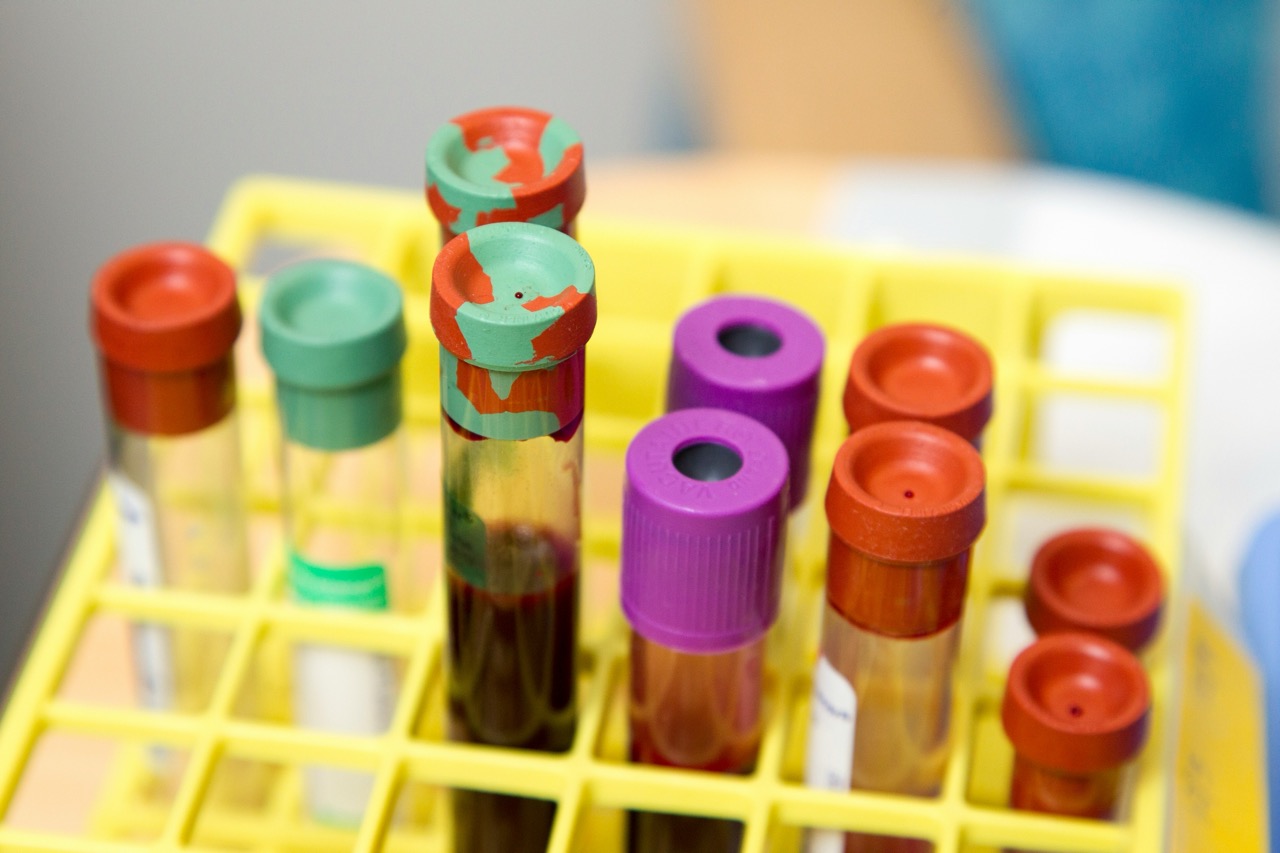
Getting tested for STDs is straightforward, but understanding the procedures can help ease any anxiety. Most testing options include visiting a healthcare provider or a specialized clinic where you can discuss your sexual history and choose appropriate tests. Blood tests, urine samples, or swabs may be required depending on the infections being tested. Many clinics offer rapid testing, allowing you to receive results within a short timeframe.
Privacy and confidentiality are paramount when it comes to STD testing. Reputable healthcare providers are committed to maintaining your privacy and will ensure that your results are shared only with you. Many clinics are designed to be welcoming and nonjudgmental, offering a safe space for individuals to discuss their health without fear of stigma. If privacy is a major concern, consider local health departments or sexual health clinics that provide anonymous testing services.
It’s also worth noting that many at-home STD testing kits are available today. These kits allow you to collect samples in the comfort of your own home and send them to a lab for analysis. While this option offers convenience and privacy, ensure that you purchase tests from reputable sources to guarantee accuracy and reliability. Ultimately, the method you choose should align with your comfort level and needs.
Interpreting Your Results: Next Steps for Your Health
Understanding your STD test results is crucial for your health and the health of your partner. If you receive a negative result, it means you are free of STDs at the time of testing, but it’s essential to consider your risk levels and continue practicing safe sex. If you test positive for an STD, it’s important not to panic. Many STDs are treatable, and your healthcare provider can guide you through the next steps for treatment and management.
Open communication with your partner is key if you receive a positive result. Discussing your status can be challenging, but it’s essential for maintaining trust and ensuring both partners take necessary precautions. Your healthcare provider can offer advice on how to communicate your results effectively and compassionately, emphasizing the importance of mutual support during this time.
Additionally, follow-up appointments may be necessary depending on the infection. Some STDs require ongoing monitoring or additional treatment. Taking proactive steps, such as informing past partners and practicing safe sex, ensures you are taking responsibility for your health and the health of others. Remember, seeking help and knowledge is a sign of strength, and there are numerous resources available to support you in maintaining a healthy sexual life.
Prioritizing STD testing before starting a new relationship is a responsible decision that benefits both partners. By educating yourself about common STDs, understanding testing procedures, and knowing how to interpret your results, you empower yourself to make informed choices about your sexual health. Open communication fosters a trusting relationship, allowing both partners to enjoy intimacy without the worry of potential risks. Taking these steps not only protects your health but also contributes to a more positive, respectful approach to relationships.