





In today’s world, sexual health is an essential aspect of overall well-being. With rising awareness about sexually transmitted diseases (STDs), people are increasingly seeking convenient and reliable testing options. Two main avenues for STD testing have emerged: at-home testing and clinic testing. Each method has distinct advantages and considerations, making it crucial to understand the differences between them. This article explores these options, helping readers make informed decisions about their sexual health.
Understanding the Differences: At Home vs. Clinic Testing
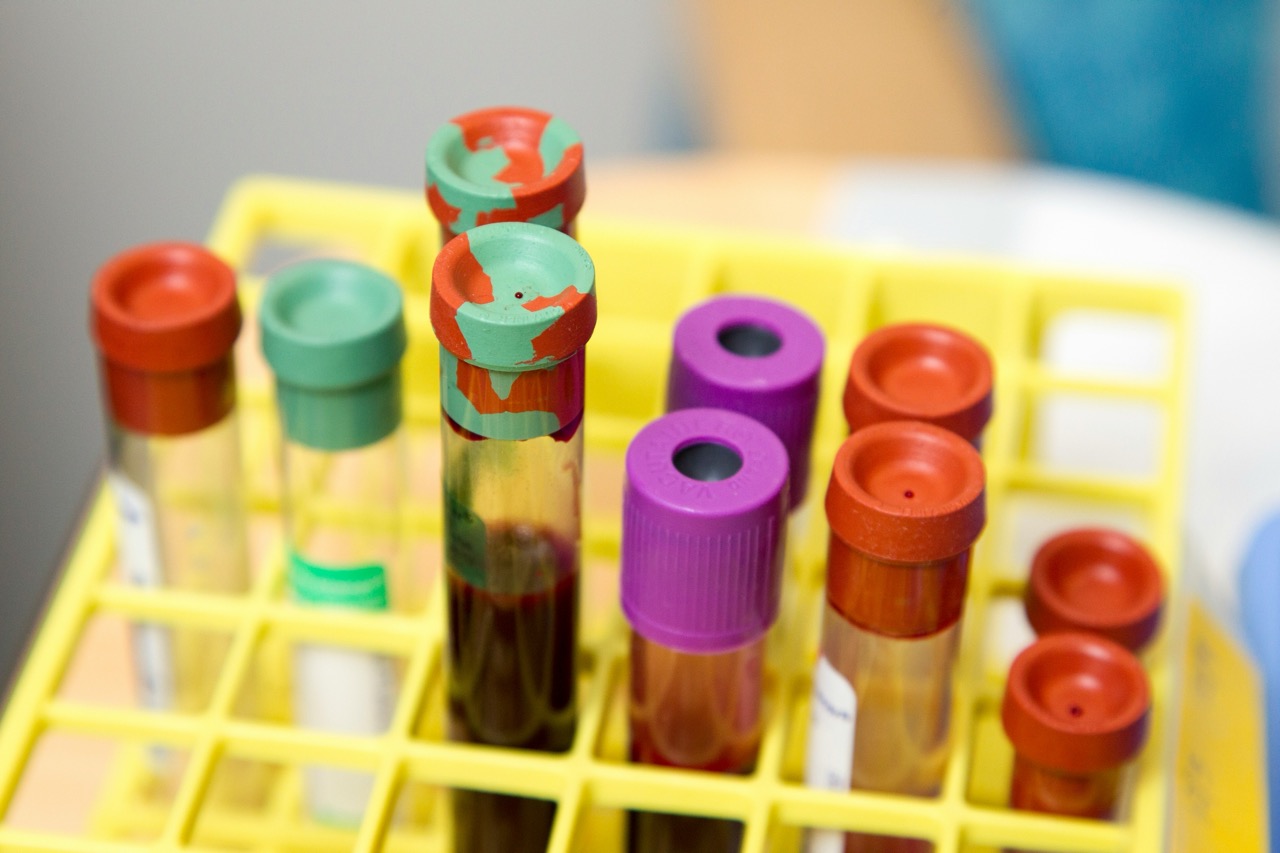
At-home STD testing allows individuals to collect samples in the privacy of their own homes. Typically, these kits are mailed directly to the consumer, containing everything necessary for sample collection—be it urine, blood, or swabs. After the samples are collected, they are sent back to a laboratory for analysis. Results can often be accessed online in a matter of days. This method caters to those who prefer anonymity, as they can manage the entire process without stepping into a medical facility.
On the other hand, clinic testing involves visiting a healthcare provider or a public health clinic for testing. This may include a physical examination and direct interaction with healthcare professionals, which can provide immediate answers to questions. Clinics often offer a range of tests and services, including counseling and education about STDs. For some individuals, the in-person interaction can be comforting and provide valuable support throughout the testing process.
Both methods serve the same purpose of identifying STDs, but the choice between at-home and clinic testing often comes down to personal comfort and circumstances. Factors such as availability, health insurance coverage, and the desire for anonymity can heavily influence this decision. Understanding these differences ensures that individuals can choose a testing method that aligns with their values and needs.
Privacy and Convenience: The Benefits of Home Testing
One of the primary advantages of at-home testing is the level of privacy it affords. Many people feel anxious about visiting a clinic due to fear of stigma or judgment. At-home testing eliminates these concerns, allowing individuals to take control of their sexual health in a safe and comfortable environment. Furthermore, the discretion of receiving a mailer or package at home can help alleviate anxiety associated with the testing process.
Convenience is another significant benefit. At-home testing kits can be ordered online and delivered directly to the consumer’s doorstep. This accessibility means that individuals can test themselves at their own pace without the constraints of clinic hours or the need to schedule appointments. For those with busy schedules, at-home testing provides flexibility, enabling them to prioritize their health without significant disruptions to their daily lives.
Additionally, the ease of sample collection at home can encourage more people to get tested. The less intimidating environment can make a crucial difference in breaking down barriers to testing, ultimately leading to early detection and treatment of STDs. By normalizing the process of home testing, we can empower individuals to take proactive steps toward their sexual health.
Accuracy and Support: Why Clinic Testing Matters
While at-home testing offers convenience and privacy, clinic testing often provides more comprehensive support and resources. Healthcare professionals can offer in-person consultations, guiding individuals through the testing process and addressing any concerns or questions immediately. This support can be crucial for individuals who may feel overwhelmed or confused about the testing process or their results.
Moreover, clinics typically have access to a broader range of diagnostic tools than those available in at-home kits. Some STDs require specific tests or advanced diagnostic techniques that may not be included in consumer testing kits. By choosing clinic testing, individuals can benefit from professional resources that ensure accurate and reliable results, which is vital for effective treatment and management of STDs.
Additionally, clinics often provide follow-up care and education on prevention and treatment options. Being able to discuss results with a healthcare provider can lead to tailored advice and support, empowering individuals to make informed decisions regarding their sexual health. This comprehensive approach is a key reason why many still prefer clinic testing over at-home options.
Making the Right Choice: Which Testing Option is Best?
Deciding between at-home and clinic testing ultimately depends on personal needs and circumstances. Individuals who prioritize privacy and convenience may find at-home testing more appealing. It’s an excellent option for those who are comfortable managing their health independently and want to avoid the potential discomfort of a clinical environment.
Conversely, individuals who value direct access to healthcare professionals and comprehensive support may lean toward clinic testing. Those worried about interpreting results or needing immediate guidance may find clinic visits reassuring. Additionally, sexually active individuals with multiple partners or those at higher risk for STDs should consider regular testing in a clinical setting for comprehensive care.
Ultimately, the best choice is the one that aligns with an individual’s comfort level, lifestyle, and health needs. Regardless of the method chosen, the crucial step is to prioritize testing and seek appropriate care, as early detection and treatment can significantly improve health outcomes.
In conclusion, both at-home and clinic STD testing options have their unique sets of benefits and considerations. By understanding the distinctions between these testing methods, individuals can make informed decisions that resonate with their personal preferences and health circumstances. Regardless of the chosen path, the important thing is to take charge of one’s sexual health, ensuring that regular testing becomes a priority. Empowerment through knowledge and access can lead to healthier and more fulfilling lives.