




Taking the step to get tested for sexually transmitted diseases (STDs) can be a daunting experience, especially for those doing it for the first time. Many individuals might feel anxious or uncertain about the procedures, what to expect, and how to interpret the results. This article serves as a comprehensive guide for first-timers, ensuring you feel informed, prepared, and empowered to take charge of your sexual health. With a focus on privacy, safety, and accessibility, we aim to provide you with the key insights needed for a smooth testing experience.
Understanding STD Testing: A Beginner’s Guide to Procedures
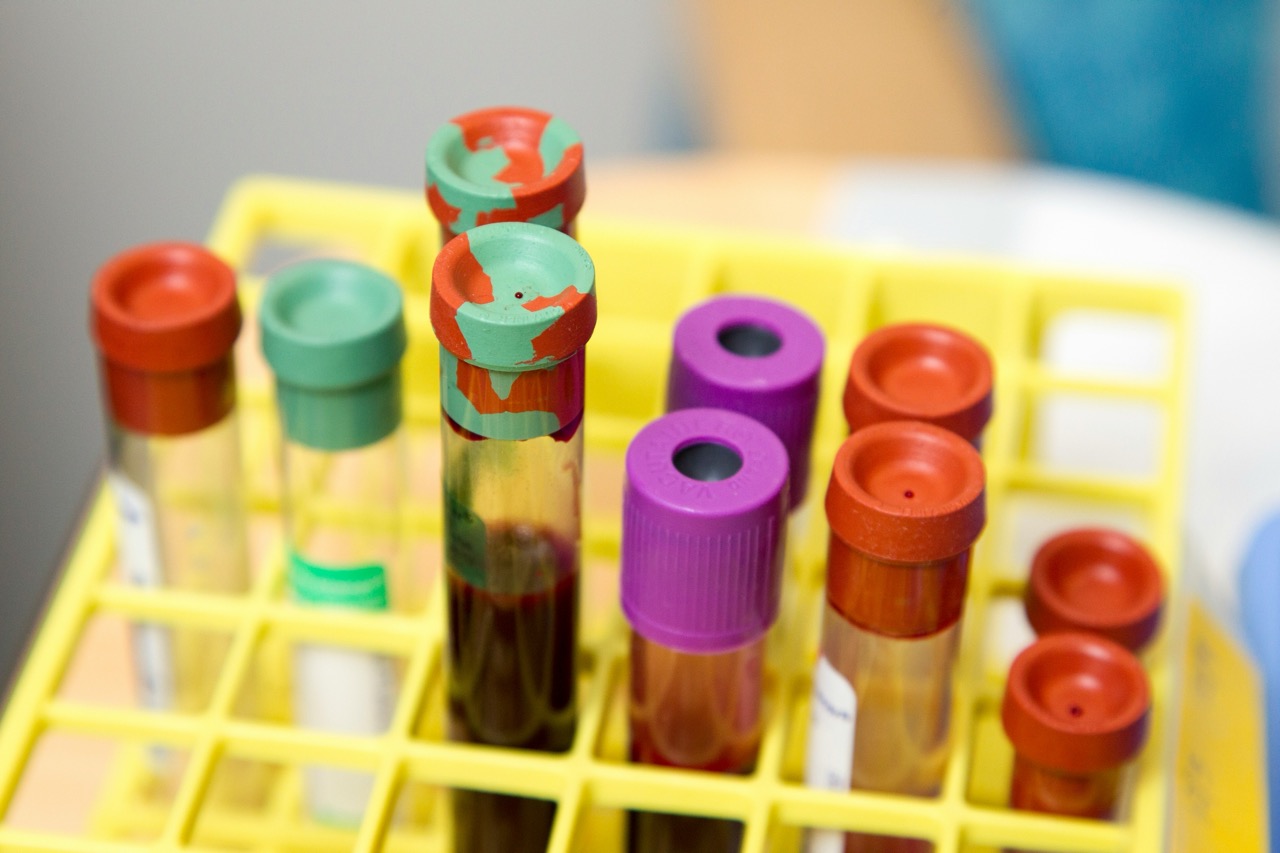
STD testing is a critical aspect of maintaining sexual health, and understanding the different types of tests available can help alleviate anxiety. Generally, there are several types of tests: blood tests, urine tests, and swabs from affected areas. Blood tests are commonly used for infections like HIV and syphilis, while urine tests can detect infections such as chlamydia and gonorrhea. Depending on your sexual history and symptoms, healthcare providers will recommend the appropriate tests.
Before your visit, it’s important to think about your health history and any potential exposure to STDs. Many clinics offer pre-test counseling, where healthcare providers can discuss your concerns, explain the testing process in detail, and answer any questions you may have. This initial conversation can help clarify what to expect and minimize any feelings of anxiety.
When making an appointment, you may have the option to visit a local clinic, a community health center, or even utilize at-home testing kits, depending on what’s available in your area. Regardless of the method you choose, the goal remains the same: to ensure your sexual health is monitored and protected.
What to Expect During Your First STD Test Experience
Arriving at the clinic can feel overwhelming, but remember that healthcare professionals are trained to handle these situations with sensitivity and discretion. Upon arrival, you will likely fill out some paperwork that includes questions about your sexual history and any symptoms you may be experiencing. This information helps medical personnel tailor their approach and ensure you receive the best care possible.
Once you’re called in, the testing process typically begins with a brief consultation. Your healthcare provider will explain the tests you’ll be undergoing, ensuring you understand each step. If you’re getting a blood test, a simple needle will be used to draw a small sample. Urine tests involve providing a sample in a designated cup, while swabs may be taken from specific areas. The entire process is usually quick, often taking less than 30 minutes.
After the tests are administered, your healthcare provider will inform you about how long it will take to receive your results, which can vary based on the type of test. Some results may be available within a few days, while others could take longer. It’s perfectly normal to feel anxious during this waiting period, but it’s essential to remember that the testing process is a proactive step towards better health.
Interpreting Your Results: Key Insights for First Timers
When your results are available, you’ll typically receive a follow-up appointment or a phone call to discuss them. Understanding your results is crucial, and your healthcare provider will help explain what each result means. A positive result for certain STDs can feel overwhelming, but it’s important to remember that many STDs are treatable, and early detection is key to effective management.
Your healthcare provider will outline the next steps based on your results. If your test is negative, that’s great news, but it doesn’t mean you should stop practicing safe sex. Regular testing is recommended, especially if you have multiple partners or engage in unprotected sex. On the other hand, a positive result may require additional testing or treatment, and your provider will guide you through the options available.
In addition to treatment, your healthcare provider may recommend informing any partners about your results, as this is crucial for their health as well. Open communication can be uncomfortable, but it’s a significant aspect of sexual health awareness and responsibility.
Tips for Reducing Risk and Maintaining Sexual Health Awareness
To help maintain your sexual health and minimize the risk of STDs, consider incorporating safe sex practices into your routine. This includes using condoms or dental dams during sexual activity, as they can significantly reduce the transmission of many STDs. Understanding the importance of protection can empower you and your partners to prioritize health and safety.
Regular testing is also essential, even if you’re currently in a monogamous relationship. Many STDs can be asymptomatic, meaning you may not show any signs or symptoms but could still be carrying an infection. Establish a routine for getting tested—experts generally recommend at least once a year, or more frequently if your sexual activity changes.
Lastly, staying informed about sexual health is vital. Educate yourself about the various STDs, their symptoms, and prevention methods. Consider discussing sexual health openly with partners to foster a shared understanding of risks and responsibilities. By taking these proactive steps, you’re not only protecting yourself but also contributing to the overall health of your community.
Getting tested for STDs is an important and responsible step in managing your sexual health, particularly for those doing it for the first time. By knowing what to expect during the testing process, understanding how to interpret your results, and taking preventive measures, you can empower yourself and approach sexual health with confidence. Remember, you’re not alone in this journey—healthcare professionals are there to support you, and there are resources available to help. Taking charge of your sexual health is a vital aspect of overall well-being, and you deserve to feel informed, safe, and respected throughout the process.