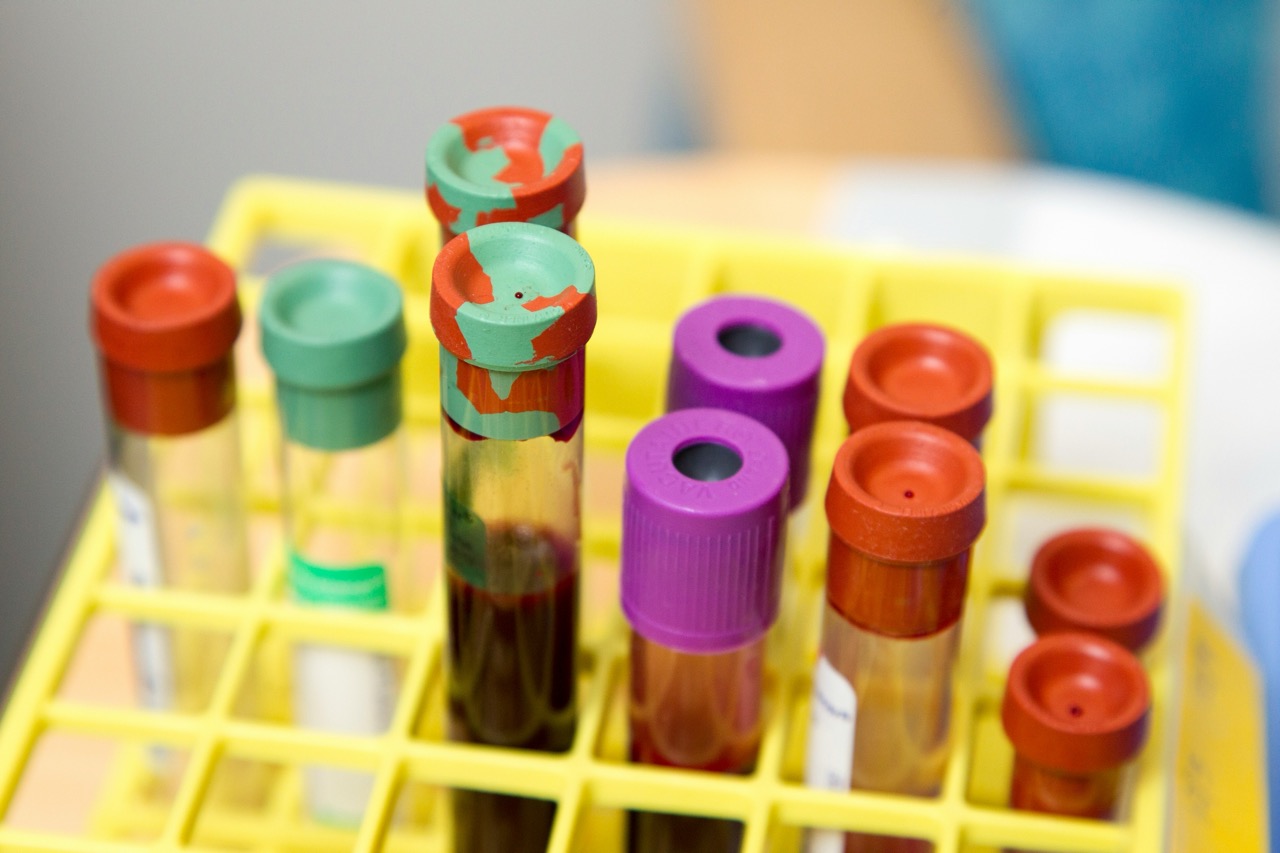






Regular STD testing is an integral component of maintaining sexual health and overall well-being. For many, the thought of getting tested for sexually transmitted diseases (STDs) can evoke feelings of anxiety or embarrassment. However, understanding what STD testing can reveal about your health and the essential role it plays in prevention can significantly empower individuals to take charge of their sexual health. In this article, we will explore the importance of regular STD testing, common infections and their symptoms, how to interpret test results, and steps to enhance your sexual health safety.
Understanding the Importance of Regular STD Testing for Health
Regular STD testing is crucial for everyone who is sexually active, as many STDs can be asymptomatic, meaning they show no noticeable symptoms. This lack of symptoms can lead to unintentional transmission to partners, making early detection vital. By undergoing routine testing, individuals can identify potential infections before they lead to more severe health complications, such as infertility or chronic pain. Additionally, being proactive about testing can foster open communication with partners and promote a culture of responsibility in sexual relationships.
The Centers for Disease Control and Prevention (CDC) recommend that certain populations—such as sexually active individuals under 25, those with multiple partners, or those with a partner who has an STD—get tested annually. The frequency of testing can vary based on individual risk factors and lifestyle. However, understanding your sexual health status is the first step in taking control of your health and well-being, allowing for informed decisions about relationships and sexual practices.
In many communities, barriers such as stigma, access to healthcare, or lack of awareness can hinder regular testing. It is essential to break these barriers by promoting a compassionate understanding of sexual health. Accessible testing services—whether through clinics, home testing kits, or community outreach programs—can encourage more individuals to seek regular tests and prioritize their health.
Common STDs: What You Need to Know About Symptoms and Risks
There are many common STDs, including chlamydia, gonorrhea, syphilis, herpes, and human immunodeficiency virus (HIV). Each of these infections has its own set of symptoms and potential health risks. For example, chlamydia and gonorrhea often present with mild or no symptoms, but if left untreated, they can lead to serious reproductive health issues. Syphilis, on the other hand, can progress through different stages, leading to severe complications if not treated early.
Herpes is another common STD that can cause painful blisters and sores, and its symptoms can be unpredictable. While treatment is available, the virus remains in the body and can cause future outbreaks. HIV, if untreated, can progress to acquired immunodeficiency syndrome (AIDS), a condition that severely weakens the immune system, making individuals susceptible to various infections and diseases. Awareness of these infections, along with their symptoms and risks, plays a crucial role in motivating individuals to seek testing and treatment.
It is essential to remember that, while the risks associated with STDs can be significant, many STDs are treatable or manageable with proper medical care. Regular testing, especially when symptoms are present, allows individuals to access necessary treatment and reduce the likelihood of complications or transmission to others. Understanding these common infections empowers individuals to make informed choices about their sexual health.
How to Interpret Your STD Test Results with Confidence
Interpreting STD test results can be a source of confusion and anxiety for many. Most tests will yield either a positive or negative result, but understanding what these results mean is crucial. A negative result typically indicates that you do not have the infection tested for, but it’s important to consider the testing window—the period after exposure when the infection can be reliably detected. If you suspect exposure shortly before testing, retesting may be necessary.
A positive result, while understandably alarming, should not elicit panic. Most STDs are treatable, and a positive result simply means that you should seek medical advice to discuss treatment options. Healthcare professionals can provide guidance on next steps, including further testing, treatment plans, and ways to inform partners. Remember, a positive result is not a reflection of your worth or character; it is an opportunity to address your health proactively.
Open communication with healthcare providers is key to interpreting your results effectively. Don’t hesitate to ask questions about the testing process, results, and treatment options. You deserve clarity and support as you navigate your sexual health journey. Understanding your results and seeking treatment can greatly reduce health risks and promote overall well-being.
Empowering Yourself: Steps to Improve Your Sexual Health Safety
Empowering yourself to take charge of your sexual health involves a combination of knowledge, communication, and proactive measures. First, educate yourself about STDs and their transmission. Understanding how infections spread can help you make informed decisions about your sexual practices. Maintaining open communication with your partner about sexual health, including testing status and boundaries, fosters a safer sexual environment.
In addition to regular testing, practicing safer sex—such as using condoms or dental dams—can significantly reduce the risk of transmitting STDs. Limiting the number of sexual partners and ensuring that all partners are tested can also help create a safer sexual landscape. It’s important to remember that while no method is entirely foolproof, taking these precautionary steps can greatly minimize risks.
Lastly, seek support from sexual health resources, whether they be healthcare providers, community organizations, or online platforms. These resources can provide valuable information, testing options, and counseling services. Empowerment comes from knowledge and action; taking charge of your sexual health ensures that you can enjoy fulfilling relationships while prioritizing your well-being.
Regular STD testing is a key pillar of maintaining your sexual health and overall well-being. By understanding the importance of testing, being aware of common STDs, learning how to interpret your results, and taking proactive steps to enhance your sexual health safety, you can empower yourself and your partners. Remember, prioritizing your health is not only a personal responsibility but also a shared commitment to fostering a healthier community.