





Gonorrhoea, a common sexually transmitted infection (STI), can have serious health implications if left untreated. Those who have had previous infections may face a higher risk of reinfection, making regular testing crucial. This article delves into the significance of gonorrhoea testing for individuals with a history of infections, the importance of prioritizing sexual health, and the proactive steps one can take towards maintaining well-being.
Understanding Gonorrhoea Testing After Previous Infections
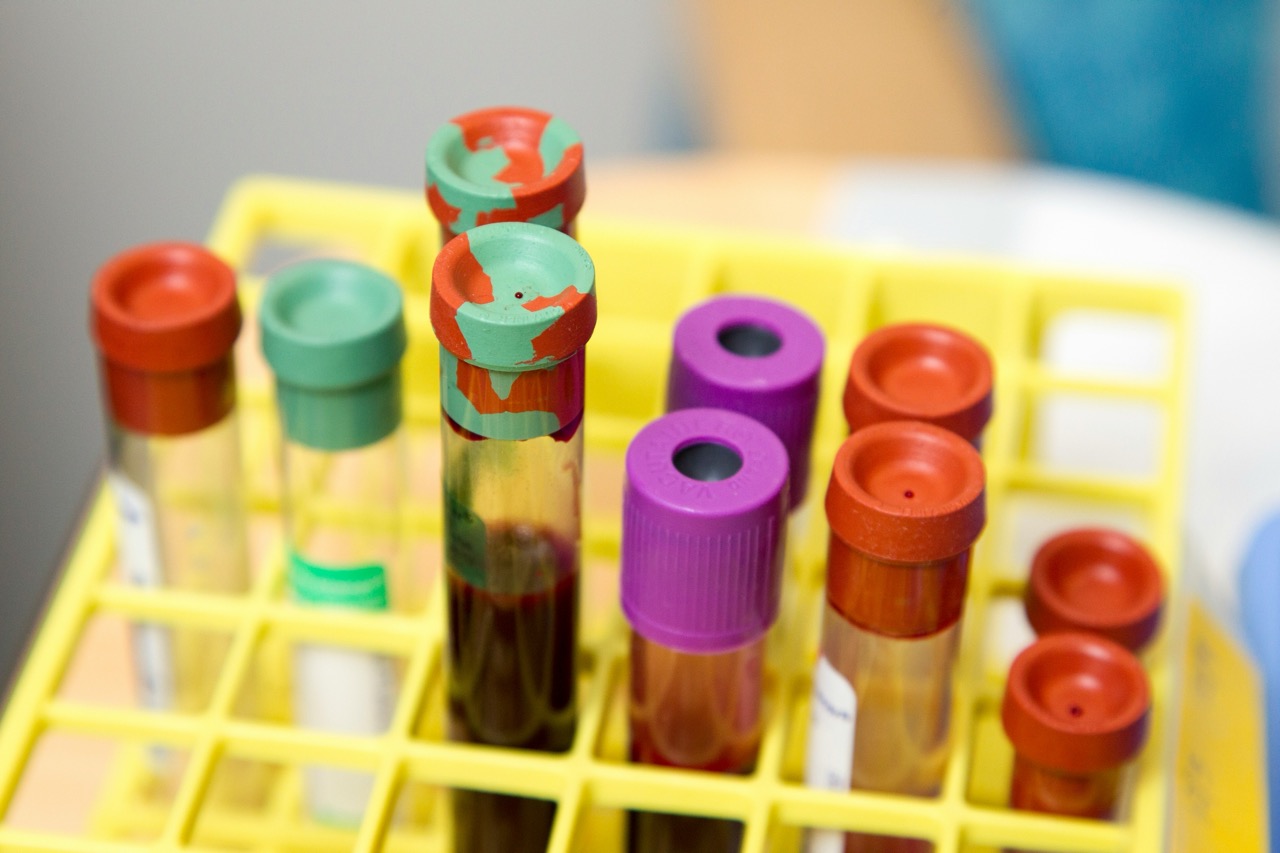
For individuals who have previously been diagnosed with gonorrhoea, regular testing is essential to monitor ongoing health. Gonorrhoea can be asymptomatic in many cases, meaning that individuals may not experience noticeable symptoms while still being contagious. Testing typically involves a simple urine sample or a swab from the affected area, making it a straightforward process. It’s important that those with a history of gonorrhoea understand their heightened vulnerability to reinfection and participate in routine screenings.
After treatment, it is advised to wait at least three months before re-testing to ensure that the infection has been fully cleared. However, if symptoms reappear or if a partner tests positive, it’s important to seek testing immediately. Understanding the window of reinfection and knowing when to retest can help in early detection and management, reducing potential complications.
Furthermore, gonorrhoea can often coexist with other STIs, which can complicate diagnosis and treatment. Therefore, comprehensive STI screening is recommended for individuals who have had gonorrhoea. This can help identify any other infections that may require attention, leading to timely intervention and better health outcomes.
Importance of Regular Testing for Sexual Health Safety
Regular gonorrhoea testing is a crucial component of sexual health safety, especially for those who are sexually active with multiple partners or have had past infections. By prioritizing sexual health, individuals can not only protect themselves but also reduce the risk of transmitting infections to others. Understanding one’s status is empowering and allows for informed decision-making regarding future sexual encounters.
Moreover, testing is an integral part of public health efforts aimed at controlling the spread of STIs. The more individuals who get tested and treated, the lower the overall rates of gonorrhoea and other STIs in the community. This collective effort fosters a healthier environment for everyone, reducing stigma and encouraging open conversations about sexual health.
Lastly, many healthcare providers offer confidential testing services, which can alleviate concerns about privacy. It’s important for individuals to seek out accessible and nonjudgmental resources to facilitate regular check-ups. Engaging with healthcare professionals can provide valuable information on prevention methods, treatment options, and ways to maintain sexual health, creating a supportive network for those navigating their experiences with STIs.
In conclusion, gonorrhoea testing for individuals with previous infections is not only vital for personal health but also for the well-being of the broader community. Regular screenings can help detect reinfections early, facilitate prompt treatment, and promote sexual health safety. By embracing open conversations around STIs and prioritizing regular testing, individuals can take significant steps towards maintaining their health and reducing the transmission of infections. Remember, your sexual health is a priority, and resources are available to support you in making informed decisions.