




Gonorrhoea, a common sexually transmitted infection (STI), poses unique risks for individuals on Pre-exposure Prophylaxis (PrEP). As more people utilize PrEP as an effective means to prevent HIV, understanding the implications of gonorrhoea and the importance of regular testing becomes essential. This guide aims to shed light on the risks associated with gonorrhoea for PrEP users and provide recommendations for testing schedules, empowering individuals to take charge of their sexual health.
Understanding Gonorrhoea Risks for PrEP Users: What to Know
Gonorrhoea is caused by the bacterium Neisseria gonorrhoeae, and it primarily affects the mucous membranes of the reproductive tract, throat, and rectum. While PrEP is designed to reduce the risk of HIV transmission, it does not protect against other STIs, including gonorrhoea. Consequently, individuals on PrEP may be at increased risk for gonorrhoea if they engage in unprotected sex or have multiple partners. The concurrent risk of STIs can complicate sexual health, heightening the importance of regular testing.
Symptoms of gonorrhoea can vary widely, with many individuals remaining asymptomatic. Common signs include painful urination, unusual discharge, and abdominal discomfort. However, the lack of symptoms often leads to underdiagnosis, making regular testing even more crucial for those on PrEP. Untreated gonorrhoea can lead to severe health issues, including pelvic inflammatory disease (PID) in women and potential infertility for both genders. Awareness of these risks is vital for PrEP users to prevent complications and maintain overall sexual health.
Furthermore, the rise of antibiotic-resistant strains of gonorrhoea presents an additional concern. Some strains of gonorrhoea have developed resistance to common treatments, necessitating more robust testing and monitoring practices. Regular testing not only aids in early detection but also helps in tracking the effectiveness of treatment options available. Engaging in open discussions with healthcare providers about STI risks while on PrEP can empower users to make informed decisions regarding their sexual health.
Recommended Testing Schedules for Gonorrhoea on PrEP
For those on PrEP, the Centers for Disease Control and Prevention (CDC) recommends routine testing for STIs, including gonorrhoea, every three months. This frequency is essential due to the increased risk of STIs in sexually active individuals, particularly those with multiple partners or engaging in unprotected sex. Regular testing allows for early detection and treatment, significantly reducing the risk of serious health complications associated with untreated gonorrhoea.
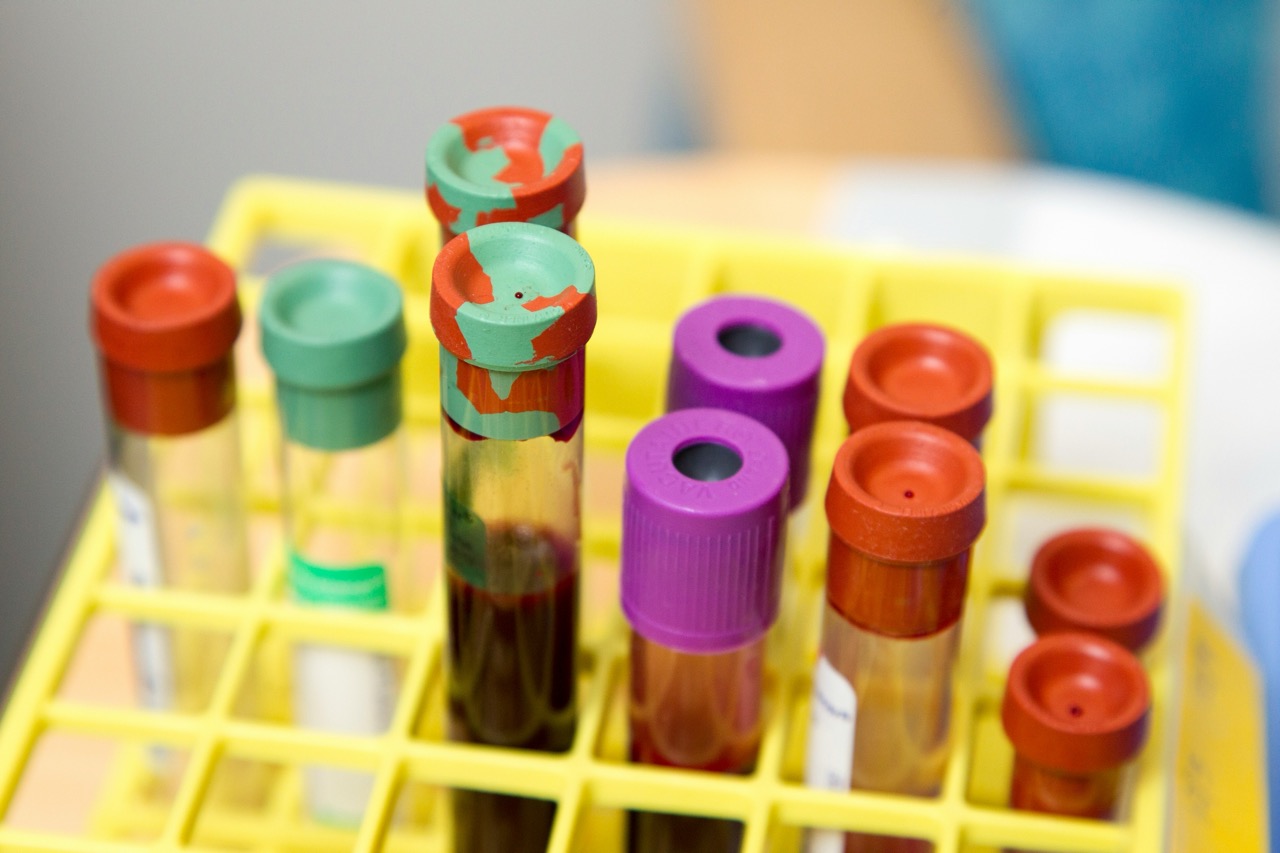
During a routine testing appointment, healthcare providers typically conduct urine tests or swabs from potentially infected areas, such as the throat or rectum. These tests are straightforward and can often be completed in a single visit, ensuring access to prompt results and treatment if necessary. Maintaining an open line of communication with healthcare providers about sexual history and any potential symptoms can further facilitate appropriate testing and care.
In addition to routine testing, individuals on PrEP should be vigilant about any changes in their sexual health. If symptoms of gonorrhoea or any other STIs arise, it’s crucial to seek testing immediately, regardless of the scheduled appointment. Staying proactive about sexual health is a fundamental aspect of managing one’s wellbeing while using PrEP, helping individuals to maintain not just their HIV prevention strategy but also their overall sexual health.
Being on PrEP offers significant protection against HIV, but it’s vital to remember that it does not shield against other STIs like gonorrhoea. Regular testing, ideally every three months, is essential for anyone on PrEP to ensure early detection and treatment. Understanding the risks associated with gonorrhoea and adhering to a proactive testing schedule can empower individuals to maintain their sexual health and make informed decisions. By taking these steps, individuals not only protect themselves but also contribute to the broader public health goal of reducing STIs in the community.