





Gonorrhoea is one of the most common sexually transmitted infections (STIs) worldwide, and its prevalence continues to be a significant public health concern. In emergency medical settings, timely and effective testing for gonorrhoea can be a crucial factor in ensuring proper diagnosis and treatment. This article aims to demystify the processes and importance of gonorrhoea testing in emergency care, providing insights into symptoms, testing procedures, and overall sexual health awareness. By understanding these aspects, individuals can make informed decisions, fostering a culture of respect and responsibility regarding sexual health.
Understanding Gonorrhoea Testing in Emergency Medical Care
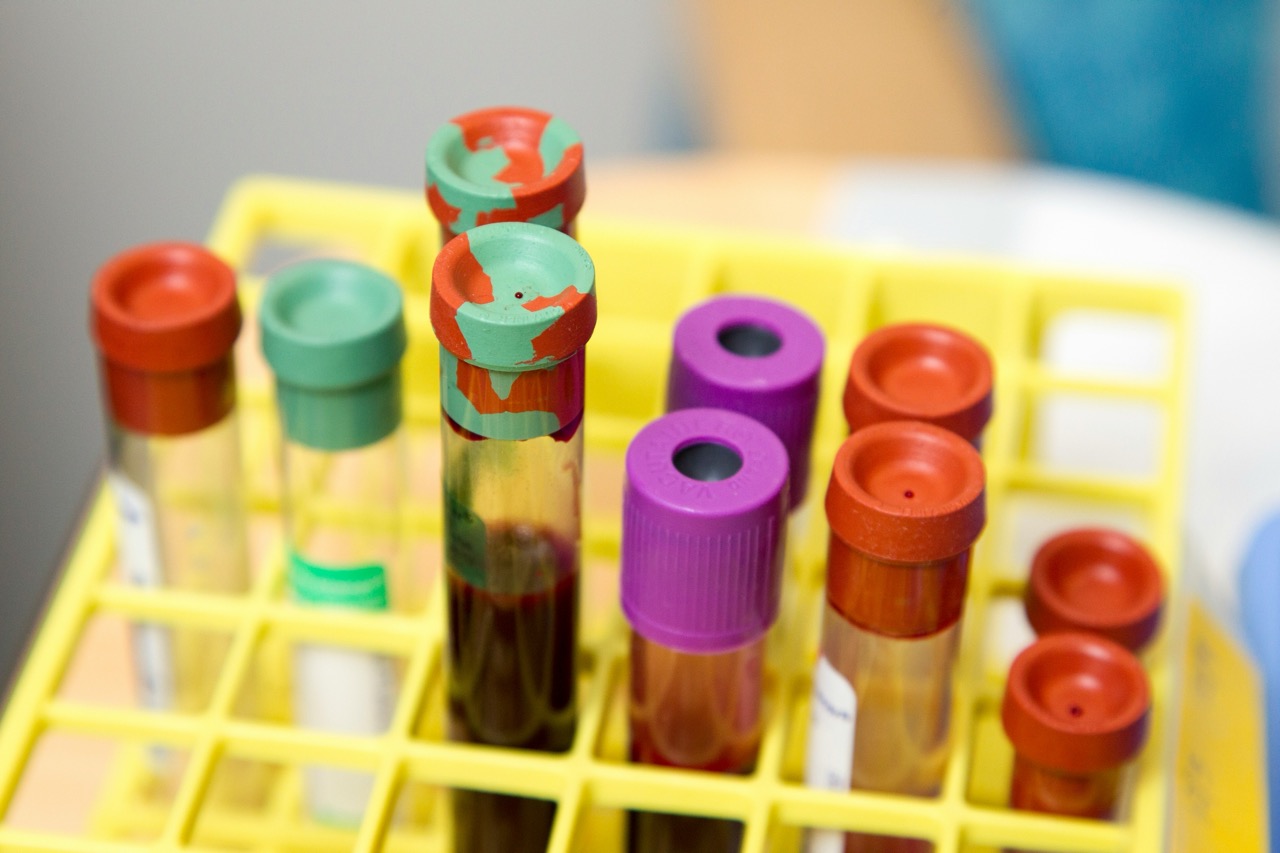
Testing for gonorrhoea in emergency medical settings typically involves a straightforward yet effective process. When a patient presents with symptoms such as unusual genital discharge, pain during urination, or abdominal discomfort, medical professionals will often conduct a thorough evaluation. This includes taking a detailed sexual history and performing a physical examination. In most cases, a sample is collected from the affected area—this could be a urine sample, a swab from the throat, or a swab from the genital region, depending on the location of the symptoms.
Rapid testing methods may be employed in emergency settings, allowing for quicker results and timely intervention. Some facilities utilize nucleic acid amplification tests (NAATs), which are highly sensitive and specific for detecting Neisseria gonorrhoeae, the bacteria responsible for gonorrhoea. These tests can often provide results within a few hours, enabling healthcare providers to initiate treatment promptly, thus reducing the risk of complications for the patient and preventing the further spread of the infection.
Moreover, healthcare professionals in emergency settings are trained to handle sensitive situations with discretion and respect. They ensure patient confidentiality and aim to create a nonjudgmental environment. This approach is vital in encouraging individuals to seek care without fear of stigma. Understanding the importance of testing and making it accessible can significantly impact overall sexual health outcomes within communities.
Importance of Timely Testing for Gonorrhoea Symptoms
Timely testing for gonorrhoea is essential for several reasons. First and foremost, early detection allows for prompt treatment, which can prevent more severe health complications. Untreated gonorrhoea can lead to serious issues such as pelvic inflammatory disease (PID) in women, which can result in chronic pain, infertility, and even ectopic pregnancies. For men, untreated infections can lead to epididymitis, a painful condition that may also affect fertility. By testing quickly in emergency settings, healthcare providers can mitigate these risks effectively.
In addition to individual health outcomes, timely testing plays a crucial role in public health. Gonorrhoea is often asymptomatic, particularly in women, making it easy to overlook. As such, regular screening and immediate testing during emergency visits can help identify more cases in the community, leading to broader awareness and preventative measures. This proactive approach can ultimately contribute to reducing transmission rates, benefiting not just affected individuals, but the community as a whole.
Furthermore, timely testing and treatment allow for better partner notification and treatment. When a patient is diagnosed with gonorrhoea, healthcare providers typically encourage them to inform recent sexual partners so they can also seek testing and treatment. This strategy is vital in breaking the cycle of reinfection and further transmission, underscoring the collective responsibility we all share in addressing STIs. By prioritizing gonorrhoea testing in emergency settings, we can foster healthier communities and promote a culture of sexual health awareness.
In conclusion, gonorrhoea testing in emergency settings is a critical component of sexual health care. Understanding the testing process, the importance of timely diagnosis, and the implications for both individual and community health can empower individuals to take charge of their sexual health. It is essential for everyone to feel comfortable seeking testing and treatment, knowing that healthcare professionals are dedicated to providing compassionate, respectful, and confidential care. By prioritizing awareness and action regarding STIs like gonorrhoea, we can work collectively toward a healthier future for all.