




Understanding what happens to your sample after gonorrhoea testing can demystify the process and empower you to take control of your sexual health. Gonorrhoea is a common sexually transmitted infection (STI), and getting tested is an important step towards maintaining your well-being. In this article, we will explore the journey your sample takes from collection to analysis in the lab, and we’ll explain what the results mean for you, ensuring you are informed and prepared for the next steps.
From Collection to Lab: The Journey of Your Sample
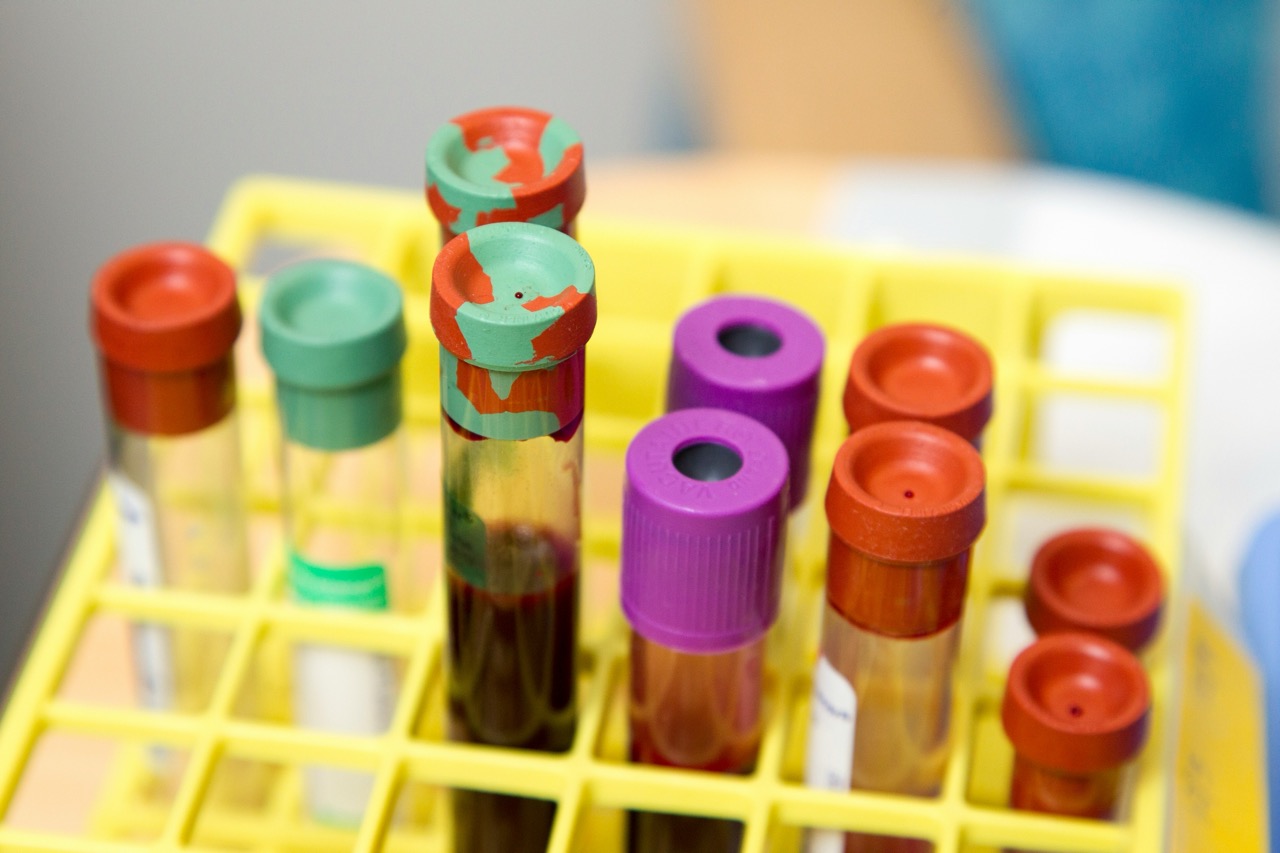
Once your sample is collected—whether through a urine test or a swab from the affected area—it enters a carefully controlled process designed to preserve its integrity. The healthcare provider will ensure the sample is sealed properly to prevent contamination and ensure anonymity. It is then labeled with a unique identifier that protects your personal information while allowing lab technicians to track and analyze it efficiently.
After collection, the sample is transported to a laboratory that specializes in STI testing. The time taken to reach the lab is minimized to maintain the viability of the sample. Upon arrival, laboratory professionals check the sample for any signs of tampering or degradation. This step is crucial, as it ensures that the test results will be accurate and reliable.
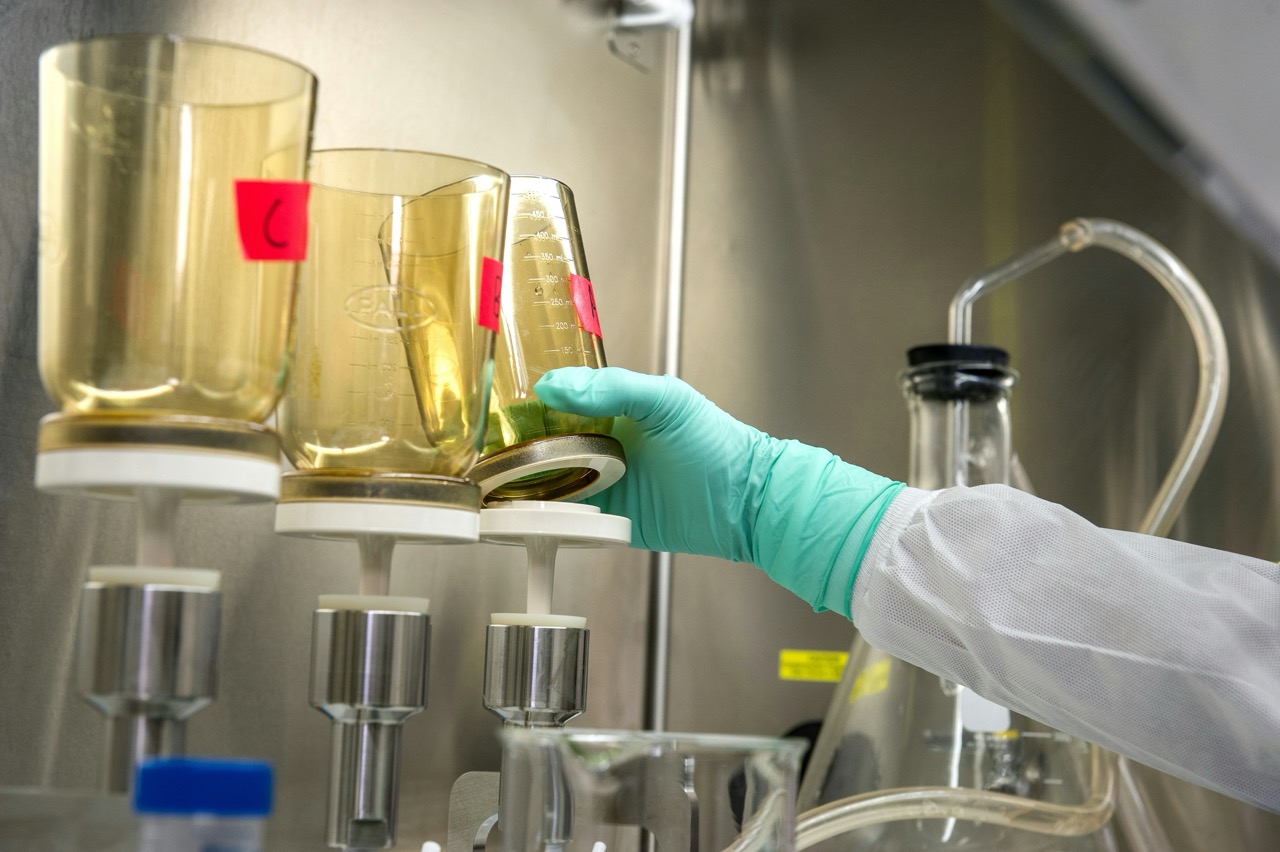
Once verified, the sample undergoes various tests, most commonly nucleic acid amplification tests (NAATs), which are highly sensitive and specific for detecting gonorrhoea. The lab processes the sample using advanced technology, allowing for swift and precise results. Understanding this journey can help alleviate any concerns you may have about the testing process.
Understanding Test Results: What They Mean for You
After the lab analyzes your sample, you will receive your test results, which can either be positive or negative for gonorrhoea. A negative result means that no infection was detected, but it’s still advisable to continue practicing safe sex and get tested regularly, especially if you have new or multiple partners. Understanding your results can help you make informed decisions regarding your sexual health.
If your test result is positive, it’s important to remember that gonorrhoea is a treatable infection. Your healthcare provider will discuss the best course of action, which typically includes antibiotics. Following the treatment plan is essential to ensure not only your health but also the health of your partners. Open communication with your sexual partners about your diagnosis is crucial for preventing further transmission of the infection.
In addition to treatment, your healthcare provider may recommend follow-up testing to confirm that the infection has been effectively cleared. This ensures that you are not only healthy but also reduces the risk of complications, which can arise from untreated gonorrhoea. Being proactive about your sexual health through testing and treatment is a vital step in maintaining your overall well-being.
In conclusion, understanding what happens to your sample after gonorrhoea testing and how to interpret the results is key to taking charge of your sexual health. The journey from sample collection to lab analysis is designed to ensure accuracy and privacy, allowing you to make informed decisions about your health. Regular testing, open communication, and timely treatment are all essential practices that empower you to maintain a healthy sexual lifestyle. Remember, you are not alone in this journey, and there are resources and support available to help you along the way.