




Understanding your sexual health is crucial, especially when it comes to sexually transmitted infections (STIs) like gonorrhoea. This bacterial infection can often be overlooked, leading to serious health consequences if not treated promptly. In this article, we’ll explore the accuracy of gonorrhoea testing methods and the various factors that can contribute to missed diagnoses, empowering you to make informed decisions regarding your sexual health.
Understanding the Accuracy of Gonorrhoea Testing Methods
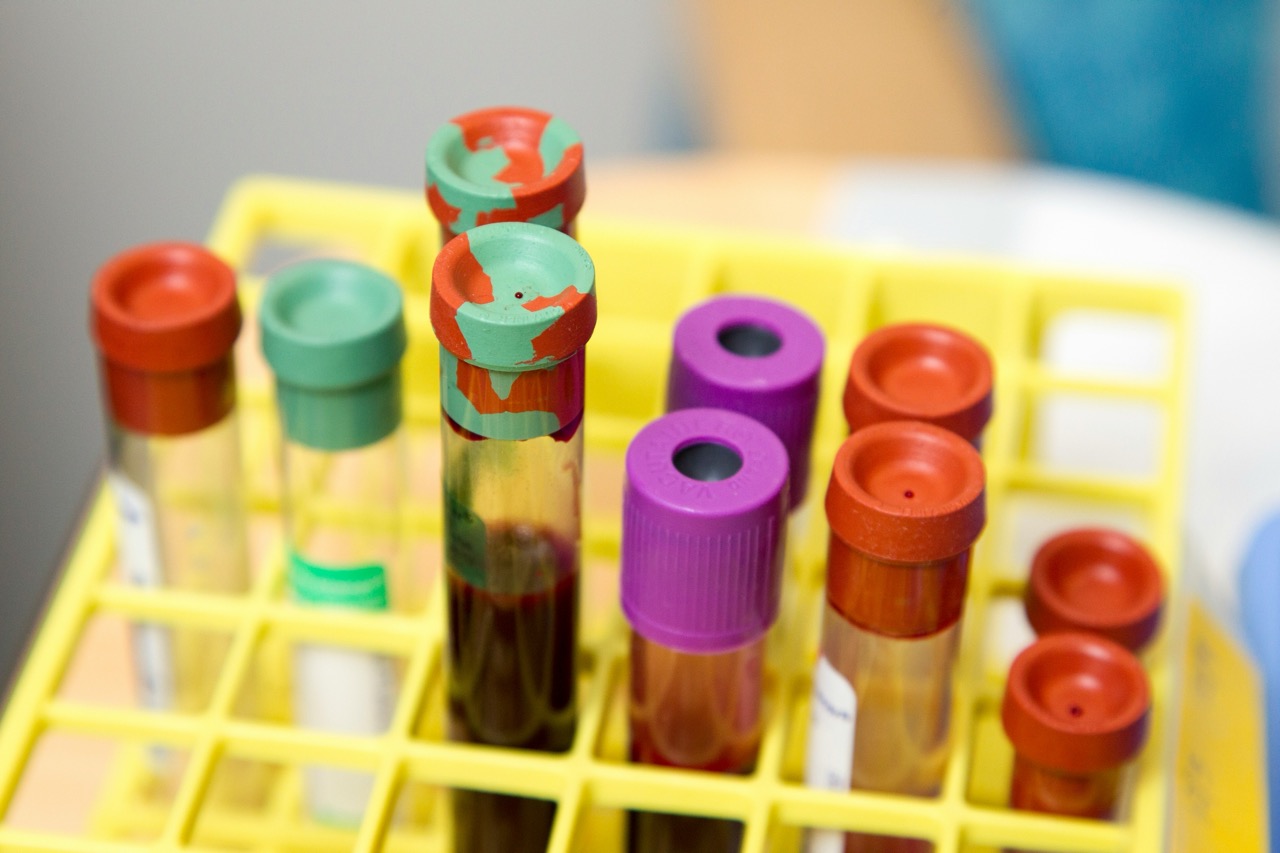
Gonorrhoea testing typically involves either a urine test or a swab from the infected site, such as the cervix, urethra, throat, or rectum. The accuracy of these tests relies heavily on proper collection techniques and the timing of the test, especially if the infection is in its early stages. Nucleic acid amplification tests (NAATs) are the most common and reliable testing method, offering high sensitivity and specificity. These tests can detect the genetic material of the bacteria even in small quantities, significantly reducing the likelihood of a false-negative result.
However, no test is infallible. Factors such as laboratory errors, incorrect sample collection, or the presence of concurrent infections can affect the accuracy of results. Additionally, the timing of the test is critical; if you have been exposed to gonorrhoea, it is advisable to wait at least a week before testing. Testing too early may result in missed infections, as the body may not have produced enough detectable bacteria yet.
Furthermore, it’s important to note that some gonorrhoea tests can yield false negatives, which means that the infection is present but not detected. For individuals who are symptomatic, immediate testing is essential, while asymptomatic individuals should still adhere to regular screening guidelines, especially if they have multiple partners or are at higher risk.
Factors That May Lead to Missed Gonorrhoea Infections
Several factors can contribute to missed gonorrhoea infections, starting with the possibility of asymptomatic cases. Many individuals with gonorrhoea do not exhibit symptoms, making it easier for the infection to go undetected. Without noticeable signs like pain during urination or unusual discharge, individuals may not seek testing, inadvertently prolonging the infection and increasing the risk of complications.
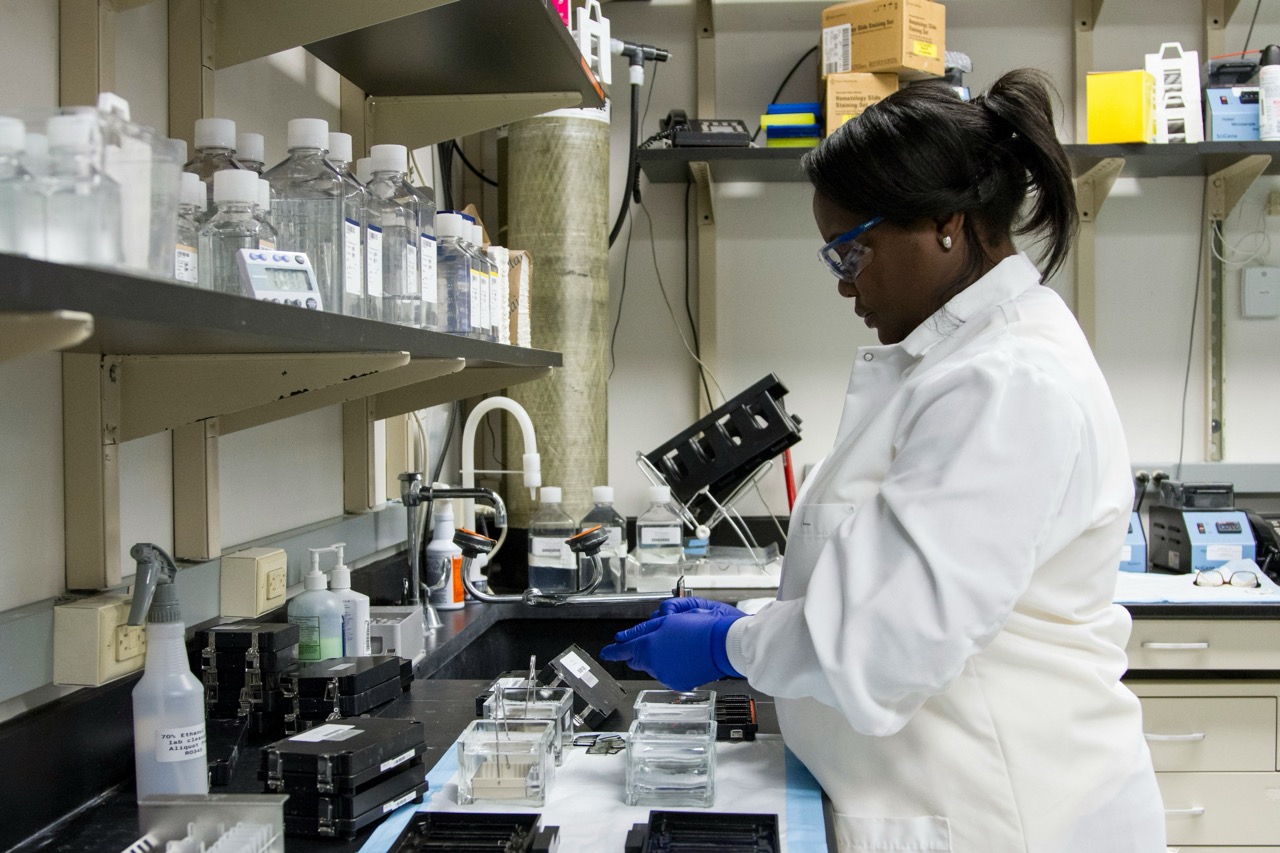
Additionally, improper sample collection can lead to inaccurate results. If a swab is not taken from the correct site or if the sample is not handled properly, the test may fail to detect the presence of the bacteria. This underscores the importance of seeking testing from reputable healthcare providers who follow standardized procedures to ensure accurate results. Patients should also feel empowered to ask questions and clarify the testing process, ensuring they understand how to prepare for the test.
Lastly, the prevalence of co-infections can complicate things further. Infections like chlamydia, which often occur alongside gonorrhoea, may mask symptoms or lead to atypical presentations. Moreover, if a healthcare provider focuses exclusively on one infection, they may overlook or fail to test for gonorrhoea, leading to missed diagnoses. Regular screenings and open conversations about sexual health can help mitigate these risks, ensuring that individuals receive comprehensive care.
Understanding the potential for missed gonorrhoea infections is vital for maintaining sexual health. By recognizing the limitations of testing methods and the factors contributing to missed diagnoses, you can take proactive steps to protect yourself and your partners. Regular screenings, especially if you engage in high-risk behaviors, are key to early detection and treatment. Empower yourself with knowledge, seek reliable testing, and don’t hesitate to consult with healthcare professionals about any concerns you may have regarding STIs. Your health is important, and you deserve the best care possible.