




Gonorrhoea is a common sexually transmitted infection (STI) that can lead to serious health issues if left untreated. Understanding how to prepare for a gonorrhoea test is crucial for ensuring accurate results and a smooth testing experience. This article provides essential insights into what to expect from a gonorrhoea test and how you can prepare for it effectively, emphasizing the importance of sexual health awareness and access to reliable medical care.
Understanding What to Expect from a Gonorrhoea Test
When you visit a healthcare provider for a gonorrhoea test, the process typically begins with a private conversation about your sexual health history, symptoms, and any potential exposure to the infection. This initial dialogue can help your healthcare provider determine the most appropriate testing methods for you. Tests may involve urine samples or swabs from affected areas, such as the throat, urethra, or cervix, depending on where symptoms have appeared or where you may have been exposed.
The actual testing procedure is relatively quick and straightforward. For urine tests, you’ll be asked to provide a sample in a sterile container. If swabs are necessary, the healthcare provider will use a cotton swab to collect cells from the infected area. While some individuals might feel a slight discomfort during this process, it is generally quick and not overly painful. Knowing what to expect can help alleviate any anxiety you might have about the test.
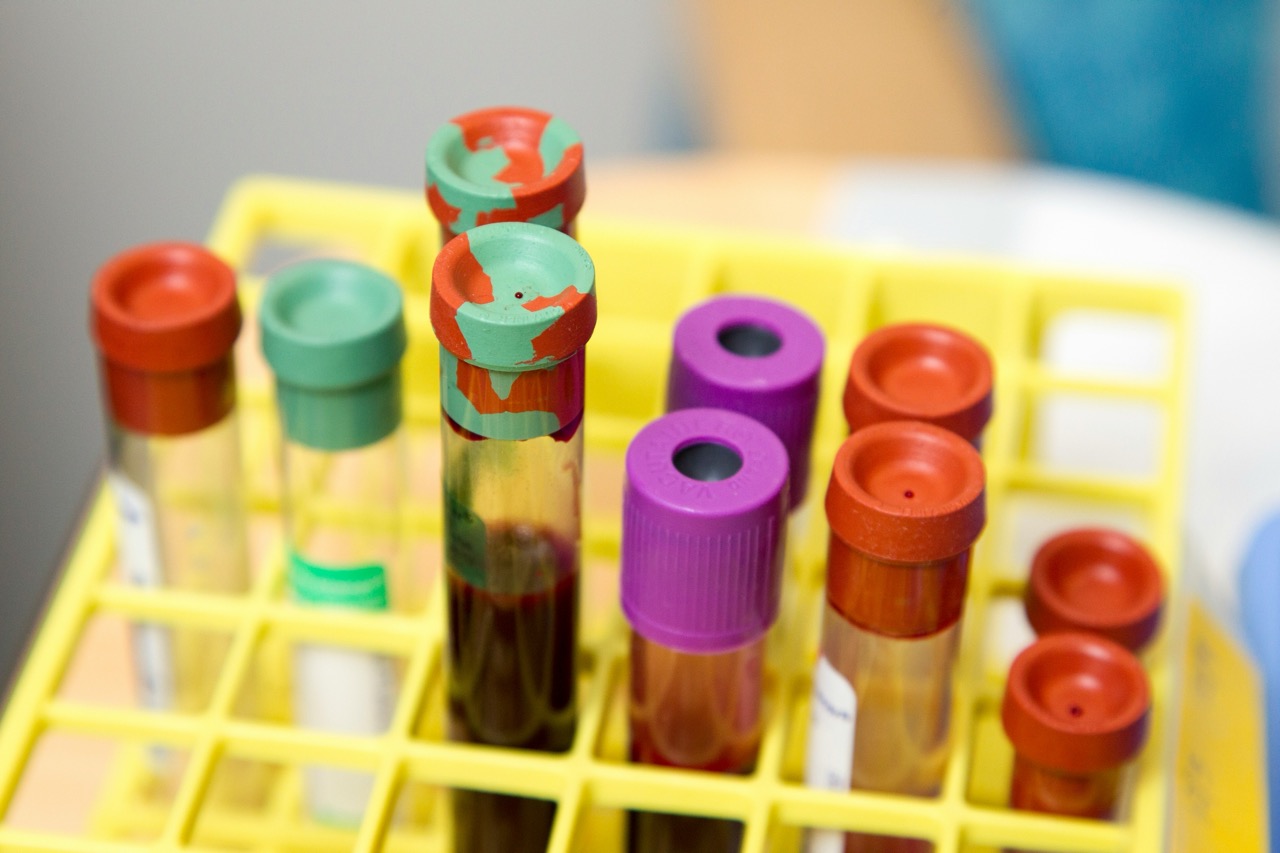
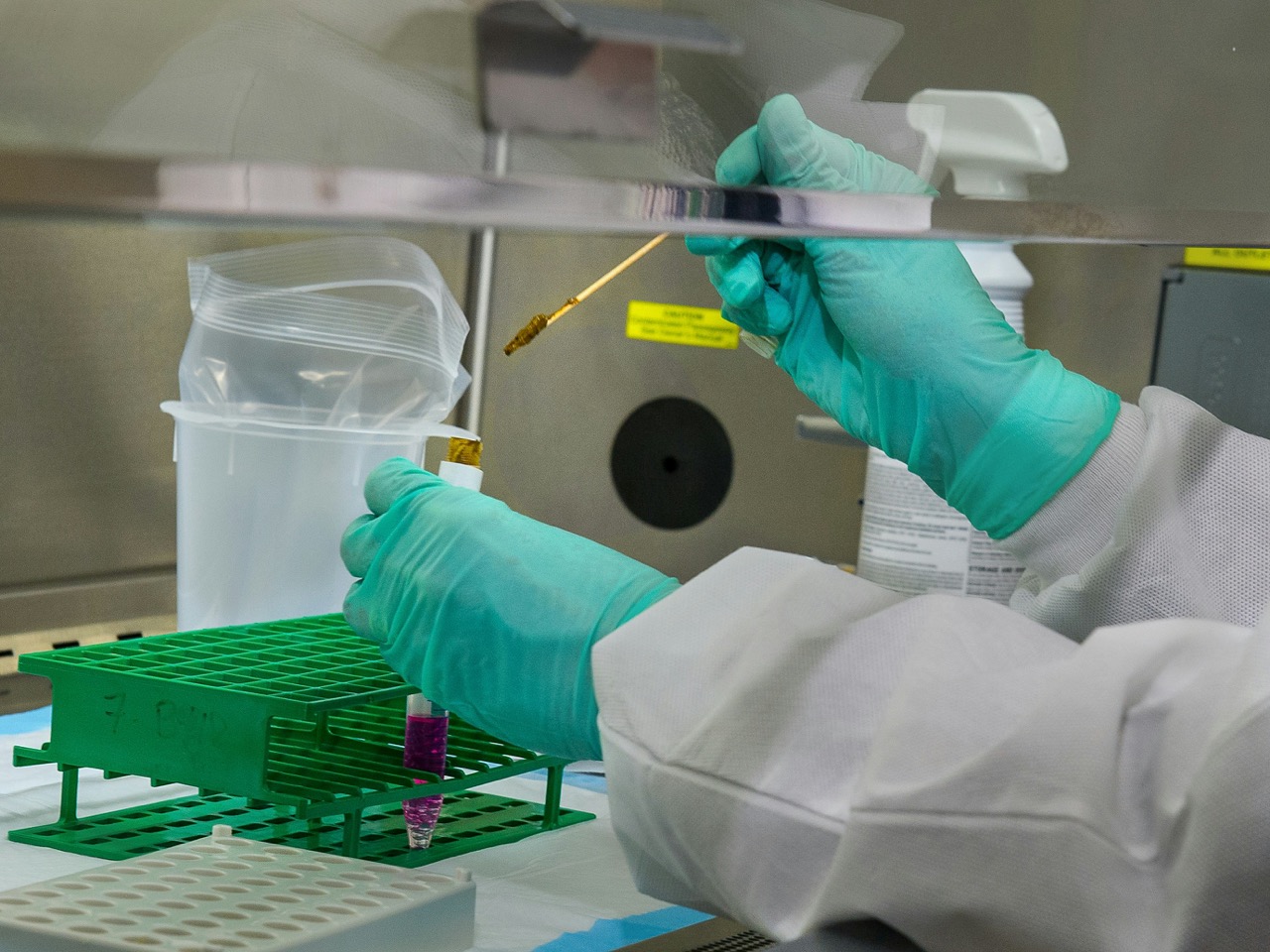
After the samples are collected, they are sent to a laboratory for analysis. Results can often be available within a few days, depending on the facility. It’s essential to follow up with your healthcare provider to discuss the results and any next steps, whether they indicate a positive or negative diagnosis. Understanding this process can empower you in managing your sexual health proactively.
Essential Steps to Prepare for Your Gonorrhoea Test
Preparation for a gonorrhoea test can significantly impact both your experience and the accuracy of the results. Firstly, it’s generally recommended to avoid urinating for at least one hour before a urine test, as this ensures a more concentrated sample that can provide clearer results. If you are undergoing a swab test, try to refrain from using any creams, ointments, or medications in the affected area, as these can interfere with test results.
Additionally, it’s a good idea to keep a record of any symptoms you may be experiencing, such as unusual discharge, pain during urination, or sore throat. This information can be helpful for your healthcare provider in determining the most appropriate tests and treatment options. Moreover, being honest about your sexual history and any potential exposure to STIs is vital for receiving the best care possible.
It is also crucial to find a comfortable and confidential setting for your test. Many clinics offer private testing services, ensuring that your information remains confidential. If you have concerns about privacy or costs, don’t hesitate to discuss these with your healthcare provider or the clinic staff. Being informed and open about your needs can create a supportive environment, making the overall experience less stressful.
Preparing for a gonorrhoea test is an essential step in safeguarding your sexual health. By understanding the testing process and taking necessary preparatory actions, you can ensure a smoother experience and more accurate results. Remember that seeking testing and treatment is a responsible decision that contributes to your health and the well-being of your partners. Should your results indicate a positive diagnosis, there are effective treatment options available, and your healthcare provider can guide you through the next steps. Always prioritize open communication with healthcare professionals to empower yourself in your sexual health journey.