





Gonorrhoea, a common sexually transmitted infection (STI), poses significant health risks if left untreated. Many individuals assume they’re protected during sexual activity simply by using condoms; however, condom failures—such as breakage or slippage—can lead to unexpected exposure to STIs. This article emphasizes the importance of gonorrhoea testing following such incidents, ensuring that individuals take proactive steps toward their health and well-being.
Understanding the Importance of Gonorrhoea Testing After Failure
Gonorrhoea is caused by the bacterium Neisseria gonorrhoeae and can infect both men and women, potentially leading to severe health complications if untreated. One of the main reasons for advocating gonorrhoea testing after a condom failure is the risk of asymptomatic infections. Many individuals may not exhibit noticeable symptoms, which can lead to delayed treatment and increased chances of transmission to partners. Regular testing is vital for sexually active individuals, especially after any incident that may compromise their protection.
Moreover, early detection of gonorrhoea allows for prompt treatment, which can prevent complications such as pelvic inflammatory disease in women and infertility in both genders. The World Health Organization recommends routine testing for sexually active individuals, particularly those with new or multiple partners. After a condom failure, it becomes even more crucial to get tested, as this proactive measure helps safeguard not only one’s health but also that of future partners.
Another critical aspect to consider is the psychological impact of potential exposure to STIs. Many individuals may experience anxiety or fear after a condom failure, worrying about the implications for their health and relationships. Knowing the importance of testing and taking action can empower individuals, allowing them to regain a sense of control over their sexual health. Open communication with partners about testing and sexual health can also strengthen relationships and promote responsible sexual practices.
When and How to Get Tested After Condom Breakage
After a condom failure, it’s essential to assess when to get tested for gonorrhoea. The Centers for Disease Control and Prevention (CDC) recommend testing approximately 1-2 weeks after potential exposure. This window allows enough time for the bacteria to grow to detectable levels, ensuring accurate test results. However, if symptoms such as unusual discharge, burning sensation during urination, or pelvic pain occur, individuals should seek testing immediately, regardless of the waiting period.
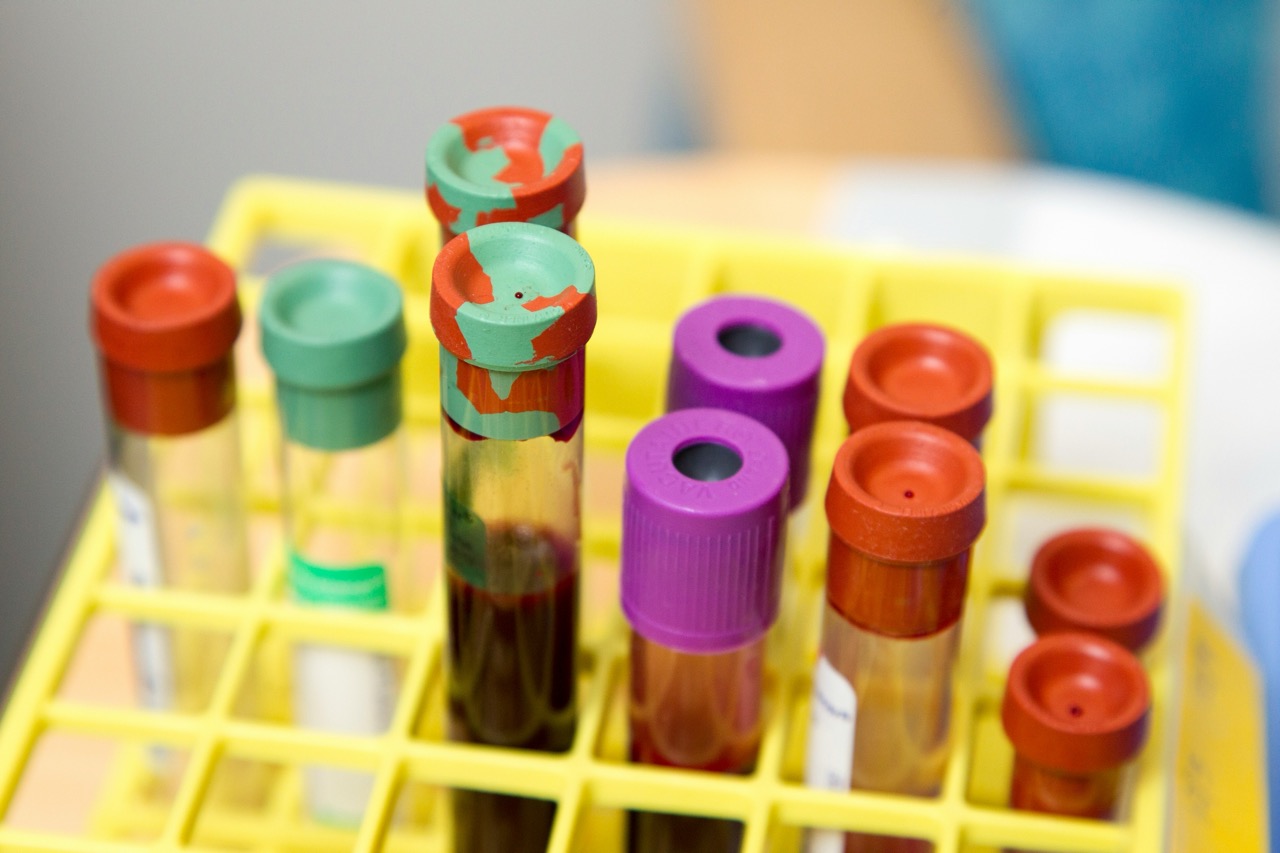
Getting tested for gonorrhoea is a straightforward process. Most healthcare providers offer testing through urine samples or swabs from potentially infected areas such as the throat or genital region. Many clinics and health departments also provide confidential and accessible testing options. It’s essential to choose a testing site that respects your privacy and provides a safe space for individuals to discuss their concerns.
Once tested, understanding the results is crucial. A positive result indicates the presence of the infection, necessitating treatment usually with antibiotics. It’s important to communicate with sexual partners, as they may also need testing and treatment to prevent reinfection. Negative results can ease anxiety, but it is essential to remain vigilant and consider getting retested periodically, especially if engaging in high-risk sexual behavior. In all cases, following up with healthcare providers for additional guidance and support is highly encouraged.
Gonorrhoea testing after a condom failure is not just a health precaution; it’s an essential step toward maintaining one’s overall sexual health. Understanding the risks associated with STIs, knowing when and how to get tested, and being proactive about treatment can empower individuals to make informed decisions. Prioritizing sexual health fosters healthier relationships and communities, reinforcing the message that seeking help and guidance is always a responsible choice. Remember, your health matters, and taking action is the first step toward well-being.