




Chlamydia is one of the most common sexually transmitted infections (STIs) worldwide. Often referred to as a "silent" infection, many individuals may not exhibit noticeable symptoms, allowing the condition to go undetected and potentially leading to serious health complications. Understanding the symptoms of chlamydia is crucial for timely diagnosis and treatment, thereby protecting not only your health but that of your partners as well. In this article, we will delve into the key symptoms of chlamydia, providing insights for both women and men, and highlighting when it’s essential to seek medical attention.
Understanding Chlamydia: What You Need to Know
Chlamydia is caused by the bacterium Chlamydia trachomatis and is primarily transmitted through sexual contact. It can affect both men and women and is particularly prevalent among young adults and adolescents. With many individuals asymptomatic, the infection can often go untreated, leading to severe complications such as pelvic inflammatory disease in women and infertility in both genders. Regular testing and open communication with partners are essential in managing sexual health.
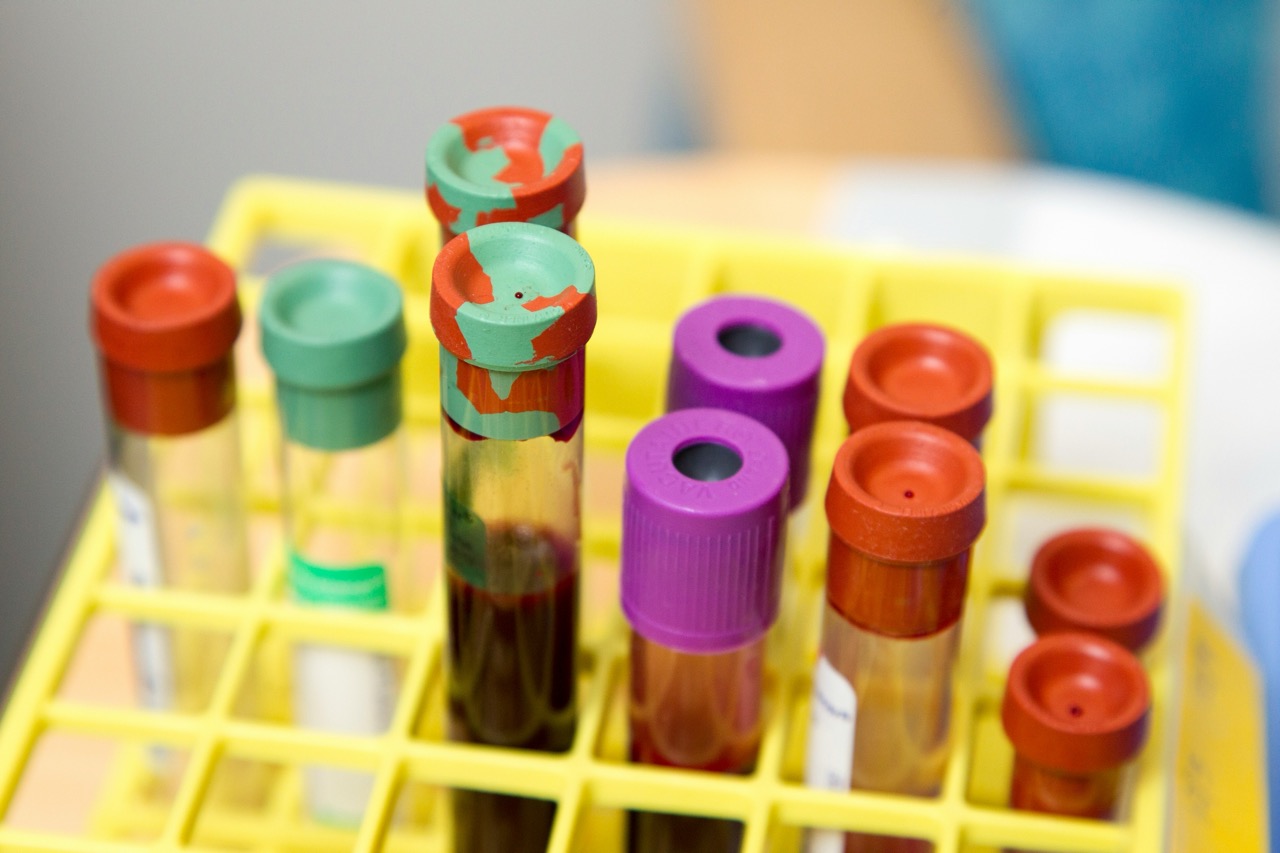
Testing for chlamydia is straightforward and can often be done through urine samples or swabs. Many clinics now offer at-home testing kits, allowing individuals to maintain their privacy. It’s advised that sexually active individuals, particularly those with multiple partners, undergo regular screenings to catch any infections early. Understanding the importance of testing can empower individuals to take proactive steps toward their sexual health.
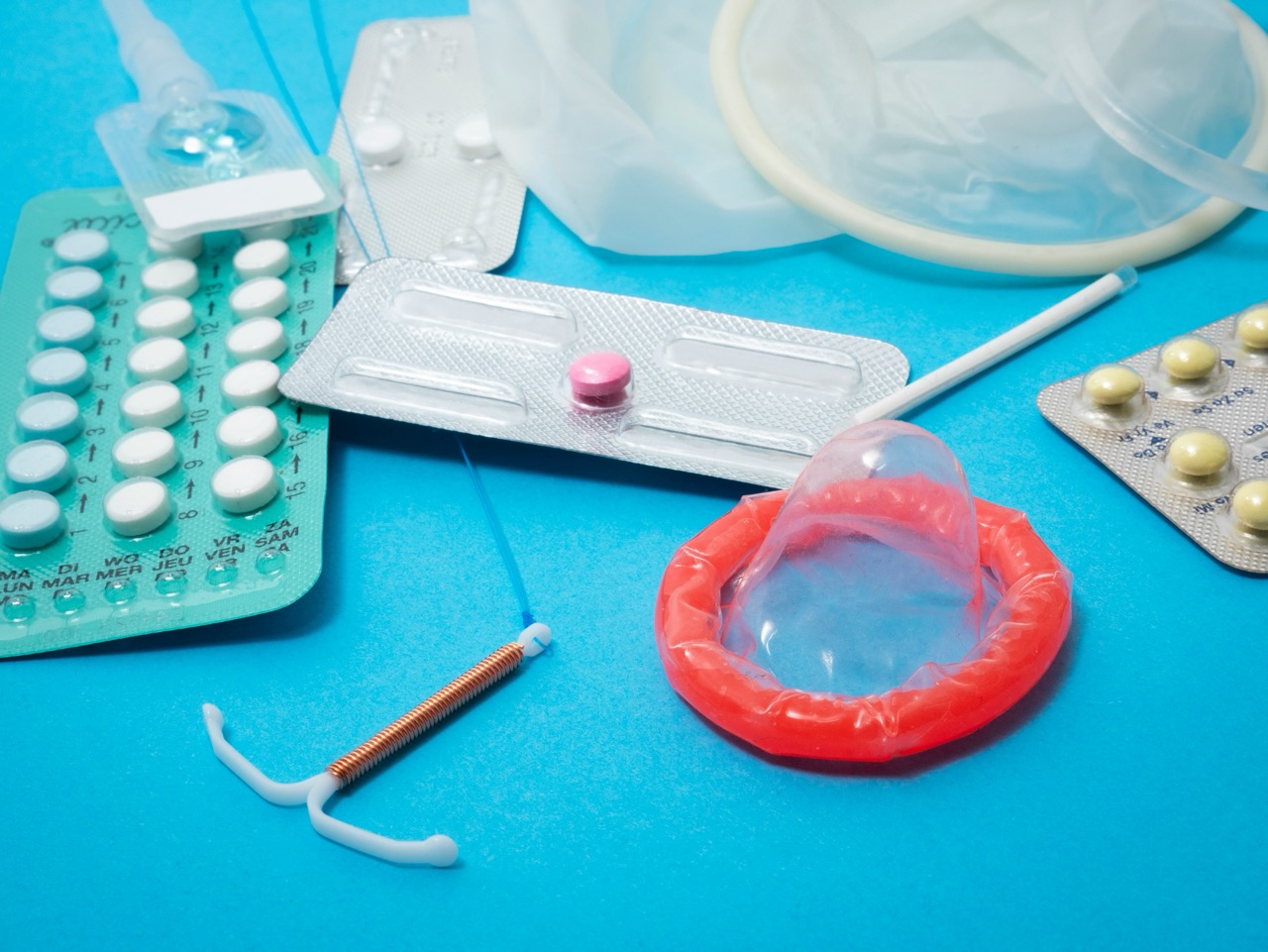
Prevention is just as crucial as treatment when it comes to chlamydia. Using condoms consistently and correctly can significantly reduce the risk of transmission. Moreover, ensuring that both partners are tested and treated before resuming sexual activity is vital in preventing reinfection. Education about safe sex practices can help mitigate the spread of STIs like chlamydia and promote healthier sexual relationships.
Key Symptoms in Women: Spotting Chlamydia Early
For women, chlamydia often presents with mild symptoms that can be easily overlooked. Common signs include abnormal vaginal discharge, which may be yellow or have a strong odor. Some women also report pain during urination, which can be mistaken for a urinary tract infection. In cases where the infection ascends into the reproductive tract, symptoms can escalate to include lower abdominal pain, irregular bleeding, and even fever.
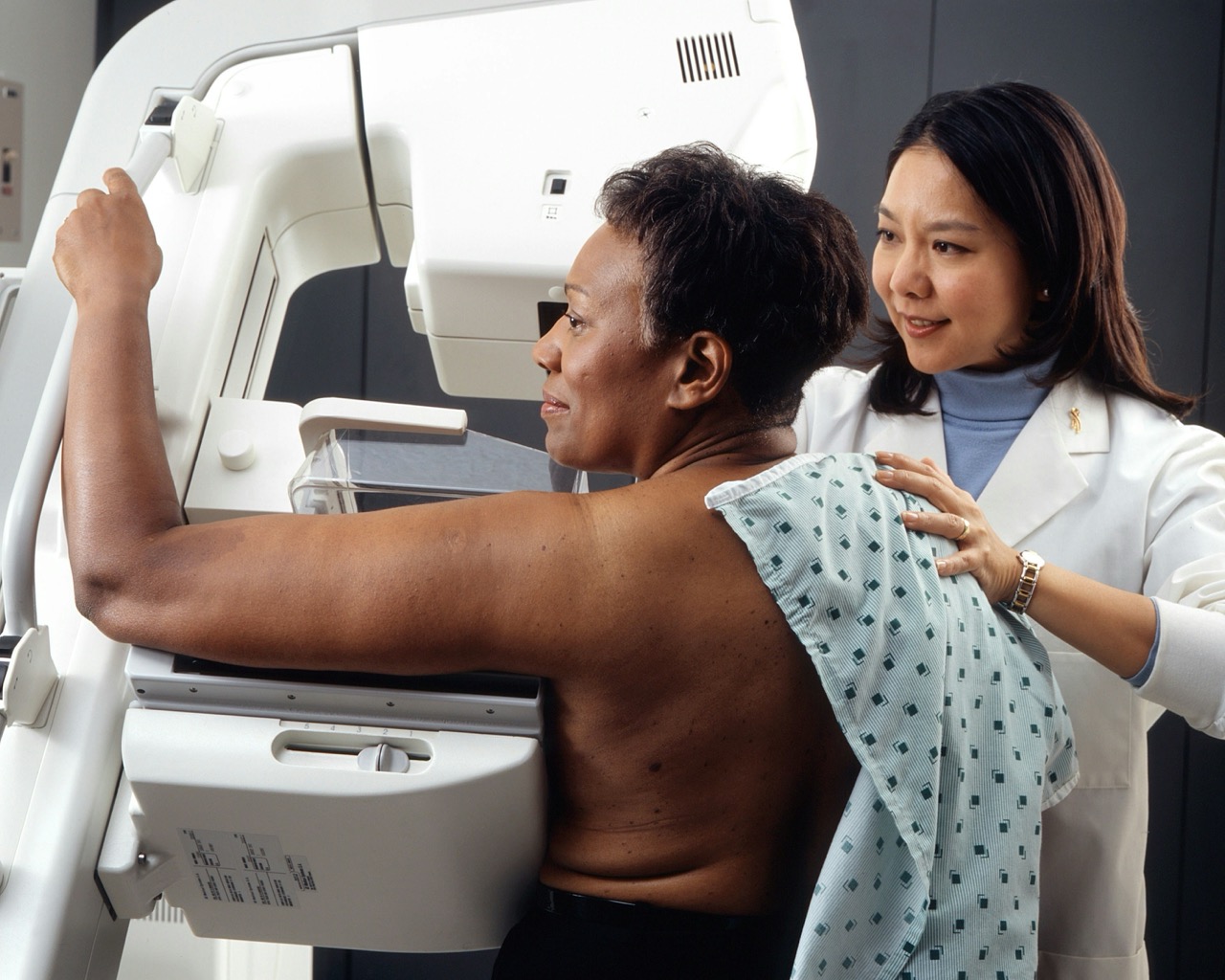
Another significant symptom is pelvic pain, which can indicate more serious complications such as pelvic inflammatory disease (PID). PID can lead to long-term issues like infertility and chronic pain if not addressed promptly. Therefore, recognizing these symptoms early and seeking medical advice is crucial. Regular gynecological check-ups can help in identifying such infections before they escalate.
It’s also worth noting that many women may not experience any symptoms at all, making routine screenings essential. Women under the age of 25, or those with new or multiple sexual partners, are particularly advised to get tested annually. Early detection and treatment of chlamydia can prevent many of the severe complications associated with the infection.
Key Symptoms in Men: Recognizing Potential Infections
Men, while also susceptible to chlamydia, may exhibit different symptoms compared to women. The most common sign is an unusual discharge from the penis, which can appear cloudy or watery. Painful urination is another prevalent symptom, often causing discomfort that can be alarming. In some cases, men may also experience swollen or painful testicles, which can be confused with other conditions.
Like women, many men may not show any noticeable symptoms, which can lead to undiagnosed infections. This lack of symptoms can inadvertently contribute to the spread of the infection to sexual partners. Men who are sexually active, particularly those in high-risk categories, should be vigilant about monitoring their sexual health and consider regular screenings.
It’s also important to highlight that untreated chlamydia in men can lead to more severe complications, including epididymitis (inflammation of the epididymis) and even infertility. Therefore, recognizing the symptoms and seeking treatment promptly is vital. Men should feel empowered to consult healthcare providers about their symptoms without fear of stigma.
When to Seek Medical Attention for Chlamydia Symptoms
Recognizing the symptoms of chlamydia is the first step; knowing when to seek medical attention is equally important. If you experience any of the aforementioned symptoms—be it unusual discharge, painful urination, or pelvic pain—it’s essential to schedule an appointment with a healthcare provider. Early intervention can prevent complications and protect your health.
For those who may not exhibit symptoms but have had unprotected sex or multiple partners, proactive testing is recommended. Many clinics offer confidential testing options, allowing individuals to seek help without fear of judgment. Discussing concerns openly with a healthcare provider can facilitate a more informed approach to sexual health.
Ultimately, anyone who suspects they may have been exposed to chlamydia or who has symptoms should seek medical advice as soon as possible. Chlamydia is a treatable infection, and timely care can lead to complete recovery. By being proactive, individuals can take control of their sexual health and contribute to a broader movement of awareness and prevention in the community.
Chlamydia represents a significant public health concern, but understanding its symptoms is the first step towards effective management. Whether you identify with the signs discussed in women or men, remember that seeking medical advice is crucial. Regular testing, open communication with partners, and practicing safe sex can greatly reduce the risk of chlamydia and other STIs. Taking charge of your sexual health is empowering and essential for maintaining overall well-being. If you have any concerns, don’t hesitate to reach out to a healthcare professional today.